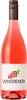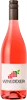
Winery PhaedrusDry Pinot Rosé
 Pink wine
This wine generally goes well with pork, poultry or veal.

Food and wine pairings with Dry Pinot Rosé
Pairings that work perfectly with Dry Pinot Rosé



Original food and wine pairings with Dry Pinot Rosé


The Dry Pinot Rosé of Winery Phaedrus matches generally quite well with dishes of veal, pork or game (deer, venison) such as recipes of veal liver in vinegar, baeckeoffe or rabbit leg in foil on the barbecue.
Details and technical informations about Winery Phaedrus's Dry Pinot Rosé.
Discover the grape variety: Pinot noir
Elegant reds, light in colour with silky tannins, showing strawberry, cherry and raspberry aromas, evolving to forest floor, mushroom and spice with age. Fresh acidity, delicate finish. Star of the Côte d'Or (Romanée-Conti, Chambertin, Volnay), pillar of Champagne (Blanc de Noirs) and signature of Oregon, Central Otago and Sonoma Coast. An early-ripening Burgundian variety, one of the world's greatest.
Informations about the Winery Phaedrus
The Winery Phaedrus is one of of the world's greatest estates. It offers 11 wines for sale in the of Mornington Peninsula to come and discover on site or to buy online.

The wine region of Mornington Peninsula
Australian cool-climate star (peninsula south of Melbourne): signature Pinot Noir as king red (50%) — fine and fragrant with notes of cherry, raspberry, wild strawberry, undergrowth and a spicy touch, silky tannins and taut acidity shaped by the sea (<7 km). Racy mineral Chardonnay with notes of citrus, white peach, flowers and a saline finish, exceptional natural acidity. Varied soils (sand, alluvium, volcanic terra rossa of Red Hill). Influence of Bass Strait and Port Phillip.
The wine region of Victoria
Australian diversity from cool to temperate climate. Yarra Valley and Mornington: fine, silky Pinot Noir (cherry, raspberry, undergrowth), taut, mineral Chardonnay. Heathcote: structured Shiraz with black fruits, pepper and chocolate. Rutherglen, fortified capital: opulent sweet Topaque and Muscat (raisin, caramel, fig, roast notes).
The word of the wine: Stabilization
All the treatments intended for the good conservation of wines.