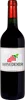
Winery PamukkaleDiamond Cabernet Sauvignon - Merlot Trocken
 Red wine



This wine is a blend of 2 varietals which are the Cabernet-Sauvignon and the Merlot.
This wine generally goes well with poultry, beef or game (deer, venison).

Food and wine pairings with Diamond Cabernet Sauvignon - Merlot Trocken
Pairings that work perfectly with Diamond Cabernet Sauvignon - Merlot Trocken



Original food and wine pairings with Diamond Cabernet Sauvignon - Merlot Trocken


The Diamond Cabernet Sauvignon - Merlot Trocken of Winery Pamukkale matches generally quite well with dishes of beef, lamb or game (deer, venison) such as recipes of enchiladas franchouillards, lamb kleftiko (greek) or duckling with bigarrade.
Details and technical informations about Winery Pamukkale's Diamond Cabernet Sauvignon - Merlot Trocken.
Discover the grape variety: Cabernet-Sauvignon
Structured, tannic reds, deeply coloured, with aromas of blackcurrant, blackberry, cedar, tobacco and graphite, underpinned by firm acidity and fine ageing potential. Cornerstone of the great Médoc estates (Pauillac, Saint-Estèphe, Saint-Julien) and signature of Napa Valley, Coonawarra and Maipo. The world's most planted red variety, a natural cross of Cabernet Franc x Sauvignon Blanc born in Bordeaux.
Last vintages of this wine
The best vintages of Diamond Cabernet Sauvignon - Merlot Trocken from Winery Pamukkale are 0
Informations about the Winery Pamukkale
The Winery Pamukkale is one of of the world's great estates. It offers 69 wines for sale in the of Thrace to come and discover on site or to buy online.

The wine region of Thrace
Eastern region shared between Turkey, Greece and Bulgaria, a fascinating native palette. On the Turkish side, Öküzgözü ("ox eye") is the signature red: deep ruby with signature notes of ripe cherry, raspberry, plum, spice and a floral touch, supple tannins and lively acidity. More tannic, structured Boğazkere, local Papazkarası. Fresh Narince whites (citrus, flowers, almond), lively Emir.
The word of the wine: Thermoregulation
Control of the vinification temperatures (by circulating hot or cold water on the walls of the vats, for example). This is a major step forward, which in particular helps to preserve the freshness of the aromas threatened by excessive temperature rises during fermentation.