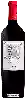
Palivou EstatePloutos
 Red wine


This wine generally goes well with poultry, beef or lamb.

Wine flavors and olphactive analysis



On the nose the Ploutos of Palivou Estate in the region of Peloponnesos often reveals types of flavors of non oak, earth or oak and sometimes also flavors of spices, red fruit or black fruit.
Food and wine pairings with Ploutos
Pairings that work perfectly with Ploutos



Original food and wine pairings with Ploutos


The Ploutos of Palivou Estate matches generally quite well with dishes of beef, lamb or spicy food such as recipes of beef in white wine, leg of lamb brissac (leftover leg of lamb) or sun wheat.
Details and technical informations about Palivou Estate's Ploutos.
Discover the grape variety: Cabernet-Sauvignon
Structured, tannic reds, deeply coloured, with aromas of blackcurrant, blackberry, cedar, tobacco and graphite, underpinned by firm acidity and fine ageing potential. Cornerstone of the great Médoc estates (Pauillac, Saint-Estèphe, Saint-Julien) and signature of Napa Valley, Coonawarra and Maipo. The world's most planted red variety, a natural cross of Cabernet Franc x Sauvignon Blanc born in Bordeaux.
Last vintages of this wine

The best vintages of Ploutos from Palivou Estate are 2013, 2014, 0, 2017 and 2012.
Informations about the Palivou Estate
The Palivou Estate is one of of the world's greatest estates. It offers 23 wines for sale in the of Peloponnesos to come and discover on site or to buy online.

The wine region of Peloponnesos
Southern Greece, the country's 2nd region by volume, high-altitude vineyards (200-900 m). Signature Agiorgitiko at Nemea ("Hercules' Blood"): deep ruby reds with signature notes of black cherry, plum, blackberry, sweet spices and a balsamic touch, supple tannins and a velvety palate — fleshy and accessible. At Mantinia (600 m), pink-skinned Moschofilero gives aromatic whites (rose, citrus, white flowers). Sweet fortified Mavrodaphne, fresh Roditis.
The word of the wine: Cellar master
The cellar master is the technical manager of a winery (usually a professional oenologist), who presides over and oversees the wine-making process and its maturation. Unlike an oenologist in a wine laboratory, who intervenes on an ad hoc basis to assist the winemaker, the cellar master is part of the estate's technical team.