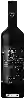
Palivou EstateNOHMA
 Red wine


This wine is a blend of 2 varietals which are the Agiorgitiko and the Cabernet-Sauvignon.
This wine generally goes well with poultry, beef or lamb.
The NOHMA of the Palivou Estate is in the top 70 of wines of Peloponnesos.

Wine flavors and olphactive analysis





On the nose the NOHMA of Palivou Estate in the region of Peloponnesos often reveals types of flavors of non oak, earth or oak and sometimes also flavors of spices, red fruit or black fruit.
Food and wine pairings with NOHMA
Pairings that work perfectly with NOHMA



Original food and wine pairings with NOHMA


The NOHMA of Palivou Estate matches generally quite well with dishes of beef, lamb or spicy food such as recipes of improved horse steak, lamb with masalé sauce and rice or couscous chicken and merguez.
Details and technical informations about Palivou Estate's NOHMA.
Discover the grape variety: Agiorgitiko
Supple and structured reds with a deep ruby colour, melted tannins and moderate acidity, on intense aromas of ripe red and black fruits (cherry, plum, blackberry), sweet spices, Mediterranean herbs and balsamic notes. Made as young approachable reds, fresh rosés and barrel-aged keepers. The absolute star of Nemea PDO in the Peloponnese (Greece's flagship red appellation). Native Greek variety, one of the most widely planted in the country.
Last vintages of this wine
The best vintages of NOHMA from Palivou Estate are 2013, 2012, 2009, 2007 and 2006.
Informations about the Palivou Estate
The Palivou Estate is one of of the world's greatest estates. It offers 23 wines for sale in the of Peloponnesos to come and discover on site or to buy online.

The wine region of Peloponnesos
Southern Greece, the country's 2nd region by volume, high-altitude vineyards (200-900 m). Signature Agiorgitiko at Nemea ("Hercules' Blood"): deep ruby reds with signature notes of black cherry, plum, blackberry, sweet spices and a balsamic touch, supple tannins and a velvety palate — fleshy and accessible. At Mantinia (600 m), pink-skinned Moschofilero gives aromatic whites (rose, citrus, white flowers). Sweet fortified Mavrodaphne, fresh Roditis.
The word of the wine: Yeast
Micro-organisms at the base of all fermentative processes. A wide variety of yeasts live and thrive naturally in the vineyard, provided that treatments do not destroy them. Unfortunately, their replacement by laboratory-selected yeasts is often the order of the day and contributes to the standardization of the wine. Yeasts are indeed involved in the development of certain aromas.