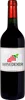
Winery OcchipintiLacaldera Rosso
 Red wine


In the mouth this red wine is a powerful with a nice freshness.
This wine generally goes well with poultry, beef or veal.

Taste structure of the Lacaldera Rosso from the Winery Occhipinti
Light | Bold | |
Smooth | Tannic | |
Dry | Sweet | |
Soft | Acidic |
In the mouth the Lacaldera Rosso of Winery Occhipinti in the region of Lazio is a powerful with a nice freshness.
Food and wine pairings with Lacaldera Rosso
Pairings that work perfectly with Lacaldera Rosso



Original food and wine pairings with Lacaldera Rosso

The Lacaldera Rosso of Winery Occhipinti matches generally quite well with dishes of beef, pasta or veal such as recipes of barbecue burger, pasta with pistou or deer stew.
Details and technical informations about Winery Occhipinti's Lacaldera Rosso.
Discover the grape variety: Pedro Ximenez
Exceptional, intensely sweet liqueur wines with a very dark mahogany robe, a syrupy palate, and powerful signature aromas of raisin, dried fig, date, molasses, roasted coffee, dark chocolate, liquorice and oxidative notes. Produced from sun-dried grapes. The undisputed star of Andalusian Pedro Ximénez (PX), one of the world's greatest sweet wines. Autochthonous Spanish variety from Andalusia (Montilla-Moriles DO, Jerez DO).
Last vintages of this wine
The best vintages of Lacaldera Rosso from Winery Occhipinti are 0
Informations about the Winery Occhipinti
The Winery Occhipinti is one of of the world's greatest estates. It offers 13 wines for sale in the of Lazio to come and discover on site or to buy online.

The wine region of Lazio
Two-millennia Roman vineyard, predominantly white on the volcanic soils of the Castelli Romani. Frascati DOC as figurehead: fresh, accessible whites based on Malvasia and Trebbiano, notes of green apple, white flowers and almond, slightly bitter finish. Also Bellone and Grechetto. Emblematic red: Cesanese del Piglio DOCG, fleshy with notes of ripe cherry, dry herbs and spice, round tannins.
The word of the wine: Aging
Period during which a wine is kept in a cellar where it goes through different phases of evolution of its aromatic range and a maturation of its constituents (evolution of the colour, refining of the tannins, harmonization of the different flavours, etc.). The wine evolves better and less quickly in large containers, whereas it deteriorates prematurely in half-bottles.