The Winery Nikau of Gippsland of Victoria
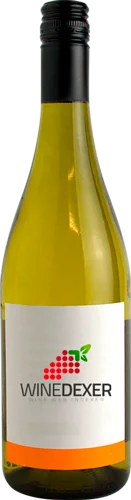
The Winery Nikau is one of the best wineries to follow in Gippsland.. It offers 2 wines for sale in of Gippsland to come and discover on site or to buy online.
Looking for the best Winery Nikau wines in Gippsland among all the wines in the region? Check out our tops of the best red, white or effervescent Winery Nikau wines. Also find some food and wine pairings that may be suitable with the wines from this area. Learn more about the region and the Winery Nikau wines with technical and enological descriptions.
How Winery Nikau wines pair with each other generally quite well with dishes of pork, shellfish or poultry such as recipes of filet mignon in a crust, creamy risotto with scallops or baked chicken legs.
In the mouth the white wine of Winery Nikau. is a powerful with a nice freshness.
The wine region of Gippsland is located in the region of Victoria of Australia. Wineries and vineyards like the Domaine Bass Phillip or the Domaine William Downie produce mainly wines red, white and pink. The most planted grape varieties in the region of Gippsland are Pinot noir, Chardonnay and Riesling, they are then used in wines in blends or as a single variety. On the nose of Gippsland often reveals types of flavors of cherry, earth or tropical fruit and sometimes also flavors of tree fruit, floral or black fruit.
In the mouth of Gippsland is a powerful with a nice freshness. We currently count 44 estates and châteaux in the of Gippsland, producing 144 different wines in conventional, organic and biodynamic agriculture. The wines of Gippsland go well with generally quite well with dishes of beef, veal or game (deer, venison).
Planning a wine route in the of Gippsland? Here are the wineries to visit and the winemakers to meet during your trip in search of wines similar to Winery Nikau.
Unlike its dyer congeners, Gamay de Chaudenay is said to have "white juice". It is a cross between white gouais and pinot noir that gave birth to this grape variety from the north of Lyon, and its alternative names are Olivette Beaujolaise, Gamay de Caudoz and Gamay d'Arcenant. It is a variety that buds early in the year and is susceptible to wood diseases and excoriosis. Its three-lobed, finely serrated leaves are almost round and hairless. The youngest leaves are slightly shiny and yellowish-green in color. The plant matures in the first late season and bears small clusters, winged or not, of cylindrical shape. These clusters contain medium-sized, ovoid, grayish-black berries. The skin provides a dark coloured pulp when ripe. When vinified, the Gamay de Chaudenay gives a wine that is low in tannin but rather colourful. Notes of spice and fruit characterize the warm but short-lived wines that emerge.

