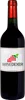
Winery Nicotera SeverisioCalabria Rosso
 Red wine


In the mouth this red wine is a powerful.
This wine generally goes well with beef, lamb or pasta.

Taste structure of the Calabria Rosso from the Winery Nicotera Severisio
Light | Bold | |
Smooth | Tannic | |
Dry | Sweet | |
Soft | Acidic |
In the mouth the Calabria Rosso of Winery Nicotera Severisio in the region of Calabria is a powerful.
Food and wine pairings with Calabria Rosso
Pairings that work perfectly with Calabria Rosso



Original food and wine pairings with Calabria Rosso
The Calabria Rosso of Winery Nicotera Severisio matches generally quite well with dishes of beef, pasta or lamb such as recipes of roast beef with garlic, maultaschen ( swabian ravioli ) or lamb in spicy sauce.
Details and technical informations about Winery Nicotera Severisio's Calabria Rosso.
Discover the grape variety: Ruché
Aromatic and elegant medium-keeping reds with a deep ruby hue, fine tannins and an ample palate with fresh acidity, featuring intensely signature aromas of rose, violet, red fruits (cherry, raspberry) and gentle spices. A distinctly Piedmontese floral profile. Star of the Ruché di Castagnole Monferrato DOCG appellation, producing refined and identity-rich reds. Autochthonous black variety from Piedmont, grown almost exclusively around Castagnole Monferrato.
Last vintages of this wine
The best vintages of Calabria Rosso from Winery Nicotera Severisio are 0, 2015
Informations about the Winery Nicotera Severisio
The Winery Nicotera Severisio is one of of the world's greatest estates. It offers 10 wines for sale in the of Calabria to come and discover on site or to buy online.

The wine region of Calabria
Italy's far south between the Ionian and Tyrrhenian seas, a millennia-old tradition (Greek "Oenotria"). Emblematic Gaglioppo (the "black prince"): sun-drenched reds with signature notes of black cherry, candied plum, garrigue, tobacco, spice and balsamic notes, firm tannins — peaking at Ciro DOC on the Ionian coast. Also fleshy Magliocco, dense Nerello, Greco Bianco in a fresh, almondy white, ample Mantonico. Hot Mediterranean climate, volcanic and clay-sandy soils.
The word of the wine: Yeast
Micro-organisms at the base of all fermentative processes. A wide variety of yeasts live and thrive naturally in the vineyard, provided that treatments do not destroy them. Unfortunately, their replacement by laboratory-selected yeasts is often the order of the day and contributes to the standardization of the wine. Yeasts are indeed involved in the development of certain aromas.