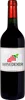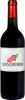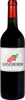
Winery NestorSymbosia Dry Red
 Red wine


This wine is a blend of 2 varietals which are the Cabernet-Sauvignon and the Merlot.
This wine generally goes well with poultry, beef or game (deer, venison).

Wine flavors and olphactive analysis

On the nose the Symbosia Dry Red of Winery Nestor in the region of Peloponnesos often reveals types of flavors of tree fruit.
Food and wine pairings with Symbosia Dry Red
Pairings that work perfectly with Symbosia Dry Red



Original food and wine pairings with Symbosia Dry Red



The Symbosia Dry Red of Winery Nestor matches generally quite well with dishes of beef, lamb or game (deer, venison) such as recipes of homemade beef stew, lamb biryani or rabbit with mustard in foil.
Details and technical informations about Winery Nestor's Symbosia Dry Red.
Discover the grape variety: Cabernet-Sauvignon
Structured, tannic reds, deeply coloured, with aromas of blackcurrant, blackberry, cedar, tobacco and graphite, underpinned by firm acidity and fine ageing potential. Cornerstone of the great Médoc estates (Pauillac, Saint-Estèphe, Saint-Julien) and signature of Napa Valley, Coonawarra and Maipo. The world's most planted red variety, a natural cross of Cabernet Franc x Sauvignon Blanc born in Bordeaux.
Last vintages of this wine
The best vintages of Symbosia Dry Red from Winery Nestor are 2018, 0
Informations about the Winery Nestor
The Winery Nestor is one of of the world's great estates. It offers 17 wines for sale in the of Peloponnesos to come and discover on site or to buy online.

The wine region of Peloponnesos
Southern Greece, the country's 2nd region by volume, high-altitude vineyards (200-900 m). Signature Agiorgitiko at Nemea ("Hercules' Blood"): deep ruby reds with signature notes of black cherry, plum, blackberry, sweet spices and a balsamic touch, supple tannins and a velvety palate — fleshy and accessible. At Mantinia (600 m), pink-skinned Moschofilero gives aromatic whites (rose, citrus, white flowers). Sweet fortified Mavrodaphne, fresh Roditis.
The word of the wine: Phenolic ripeness
A distinction is made between the ripeness of sugars and acids and the ripeness of tannins and other compounds such as anthocyanins and tannins, which will bring structure and colour. Grapes can be measured at 13° potential without having reached this phenolic maturity. Vinified at this stage, they will give hard, astringent wines, without charm.