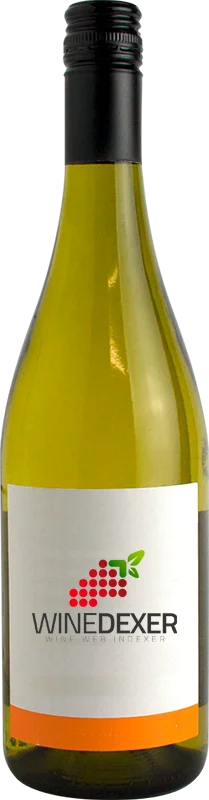
Winery Morais RochaSei Lá Branco
 White wine



In the mouth this white wine is a .
This wine generally goes well with pork, lean fish or shellfish.

Taste structure of the Sei Lá Branco from the Winery Morais Rocha
Light | Bold | |
Dry | Sweet | |
Soft | Acidic |
In the mouth the Sei Lá Branco of Winery Morais Rocha in the region of Alentejano is a .
Food and wine pairings with Sei Lá Branco
Pairings that work perfectly with Sei Lá Branco



Original food and wine pairings with Sei Lá Branco

The Sei Lá Branco of Winery Morais Rocha matches generally quite well with dishes of pasta, pork or shellfish such as recipes of bean soup and spaghetti (traditional andalusian dish), basque piperade or pasta with vongoles (flat clams).
Details and technical informations about Winery Morais Rocha's Sei Lá Branco.
Discover the grape variety: Siria
Fresh and aromatic whites to drink young, with a pale golden hue, an airy palate with preserved acidity and signature aromas of citrus (lemon, grapefruit), green apple, white flowers and fresh herbal notes. Used in many Portuguese white blends, grown in the Dão DOC, Beira Interior DOC and Douro DOC. Autochthonous white Portuguese variety, one of the most planted in Portugal, also known as Roupeiro and Códega.
Last vintages of this wine
The best vintages of Sei Lá Branco from Winery Morais Rocha are 2016, 2018, 0, 2017
Informations about the Winery Morais Rocha
The Winery Morais Rocha is one of of the world's greatest estates. It offers 14 wines for sale in the of Alentejano to come and discover on site or to buy online.

The wine region of Alentejano
Star of southern Portugal's great reds, sunny and opulent wines. Typical blends: round fruity Aragonez (Tempranillo), spicy Trincadeira, Touriga Nacional (black fruits, violet), deep teinturier Alicante Bouschet, juicy Castelão. Fleshy reds with notes of plum, black cherry, cocoa and sweet spices, melted tannins. Ample fresh Antão Vaz and Arinto whites.
The word of the wine: Film maceration
A technique that consists of leaving the grapes to macerate in the open air at a low temperature before fermentation, thus enhancing the aromatic expression of the wine.