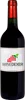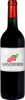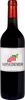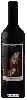
Winery Monte do AlamoEtc Tinto
 Red wine


In the mouth this red wine is a powerful with a nice balance between acidity and tannins.
This wine generally goes well with poultry, beef or veal.
Taste structure of the Etc Tinto from the Winery Monte do Alamo
Light | Bold | |
Smooth | Tannic | |
Dry | Sweet | |
Soft | Acidic |
In the mouth the Etc Tinto of Winery Monte do Alamo in the region of California is a powerful with a nice balance between acidity and tannins.
Food and wine pairings with Etc Tinto
Pairings that work perfectly with Etc Tinto



Original food and wine pairings with Etc Tinto

The Etc Tinto of Winery Monte do Alamo matches generally quite well with dishes of beef, lamb or veal such as recipes of seven o'clock leg of lamb, chicken with merguez and tomatoes or veal curry.
Details and technical informations about Winery Monte do Alamo's Etc Tinto.
Discover the grape variety: Gamay de Bouze
Gamay de Bouze is a grape variety known since the 19th century. Originally from Burgundy, it is found, in increasingly small areas, in the vineyards of the Cher Valley. It was used, among other things, to add a little colour to wines that lacked it. Petit mourot, rouge de couchey or rouge de bouze are the other names for this grape variety with small bunches. Sometimes winged, these are cylindrical in shape and bear berries of varying sizes. The colour of the fruit shells, bluish black, is characteristic, as is the intense red of the leaves in autumn. The leaves come from buds that appear early. They are borne by vines that are pruned short and upright. Of average vigor, Gamay de Bouze is found in soils of low fertility. It must be protected from wood diseases and chlorosis. The vinification of the rosé juice from the pulp gives a product with notes of black fruit.
Last vintages of this wine
The best vintages of Etc Tinto from Winery Monte do Alamo are 2010, 0
Informations about the Winery Monte do Alamo
The Winery Monte do Alamo is one of of the world's great estates. It offers 21 wines for sale in the of California to come and discover on site or to buy online.

The wine region of California
California is the largest and most important wine region in the United States. It represents the southern two-thirds (850 miles or 1,370 kilometers) of the country's west coast. (Oregon and Washington make up the rest. ) The state also spans nearly 10 degrees of latitude.
The word of the wine: Aromatic
Character of a wine that is particularly expressive and rich in aromas. Some grape varieties, such as Gewurztraminer or Muscat, produce very aromatic wines.