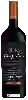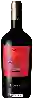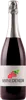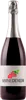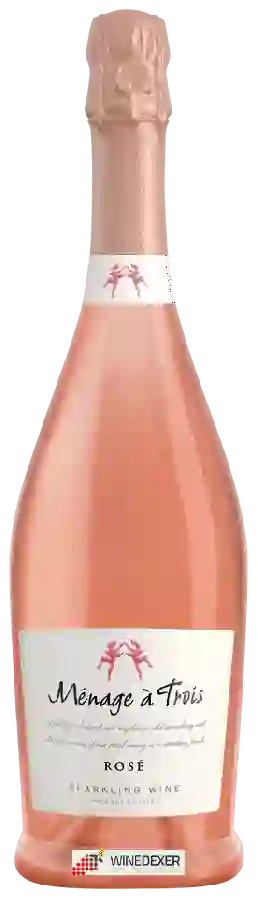
Winery Ménage à TroisRosé Sparkling
 Sparkling wine



This wine is a blend of 3 varietals which are the Pinot noir, the Raboso Piave and the Merlot.
This wine generally goes well with pork, poultry or beef.

Wine flavors and olphactive analysis



On the nose the Rosé Sparkling of Winery Ménage à Trois in the region of Veneto often reveals types of flavors of microbio, tree fruit or red fruit.
Food and wine pairings with Rosé Sparkling
Pairings that work perfectly with Rosé Sparkling



Original food and wine pairings with Rosé Sparkling



The Rosé Sparkling of Winery Ménage à Trois matches generally quite well with dishes of beef, veal or pork such as recipes of pot roast, very soft beef bourguignon or tartiflette.
Details and technical informations about Winery Ménage à Trois's Rosé Sparkling.
Discover the grape variety: Pinot noir
Elegant reds, light in colour with silky tannins, showing strawberry, cherry and raspberry aromas, evolving to forest floor, mushroom and spice with age. Fresh acidity, delicate finish. Star of the Côte d'Or (Romanée-Conti, Chambertin, Volnay), pillar of Champagne (Blanc de Noirs) and signature of Oregon, Central Otago and Sonoma Coast. An early-ripening Burgundian variety, one of the world's greatest.
Last vintages of this wine
The best vintages of Rosé Sparkling from Winery Ménage à Trois are 2012, 2013, 0, 2014 and 2015.
Informations about the Winery Ménage à Trois
The Winery Ménage à Trois is one of of the world's great estates. It offers 27 wines for sale in the of Veneto to come and discover on site or to buy online.

The wine region of Veneto
World star of Prosecco: fresh, light Glera sparklers with notes of pear, green apple and white flowers, fruity, convivial bubbles. Veronese reds from Corvina and Rondinella: light, crisp Bardolino, fruity Valpolicella, opulent, concentrated Amarone DOCG (black cherry, chocolate, raisin) from dried grapes. Mineral, almondy Soave (Garganega) whites, fresh Pinot Grigio. 97,500 ha, Italy's largest production.
The word of the wine: Bleeding
Old practice for red wines. As soon as the vat is filled with grapes, the tap is opened. A sweet but clear juice escapes from the vat (it can also be used to make rosé). The colour and density of the juice is enhanced, but it should not be overdone. Rarely more than 10% of the volume of a vat, otherwise you risk losing fruit and bringing in bitterness.