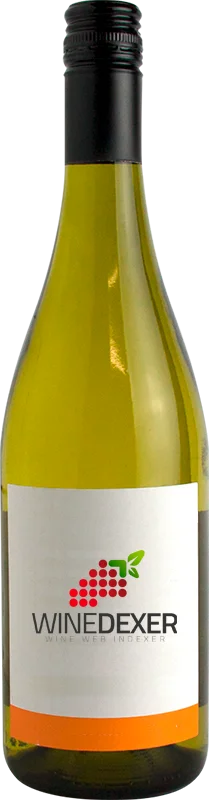
Winery MarrelliMiscello di Ripe
 White wine


In the mouth this white wine is a powerful.
This wine generally goes well with vegetarian, appetizers and snacks or shellfish.
Taste structure of the Miscello di Ripe from the Winery Marrelli
Light | Bold | |
Dry | Sweet | |
Soft | Acidic |
In the mouth the Miscello di Ripe of Winery Marrelli in the region of Calabria is a powerful.
Food and wine pairings with Miscello di Ripe
Pairings that work perfectly with Miscello di Ripe



Original food and wine pairings with Miscello di Ripe
The Miscello di Ripe of Winery Marrelli matches generally quite well with dishes of shellfish, vegetarian or appetizers and snacks such as recipes of rougaille tomatoes (madagascar), broccoli and blue cheese quiche without pastry or pretzels (alsace).
Details and technical informations about Winery Marrelli's Miscello di Ripe.
Discover the grape variety: Putzcheere
It is believed to have originated in Hungary, in the region bordering Romania, from where it spread to Germany, Alsace and the southwest of France, particularly in the Gers and high Pyrenees departments. It is also found in the United States (California). Today, it is almost absent from French vineyards. - Synonyms: putchir, putscher, butschera (for all the synonyms of the grape varieties, click here!)
Last vintages of this wine
The best vintages of Miscello di Ripe from Winery Marrelli are 0
Informations about the Winery Marrelli
The Winery Marrelli is one of of the world's greatest estates. It offers 9 wines for sale in the of Calabria to come and discover on site or to buy online.

The wine region of Calabria
Calabria is a wine region in southern Italy, in fact a large peninsula that juts out between the Ionian Sea and the Tyrrhenian Sea. It is separated from Sicily by the narrow Strait of Messina. Its northern border with Basilicata is marked by the peaks of the southern Apennines. Calabria and its wines have undergone many influences over the centuries.
The word of the wine: Aging on lees
Maturing on the lees enhances the stability, aromatic complexity and texture of white wines, which gain in body and volume. This phenomenon is induced by autolysis, the process of self-degradation of the lees.