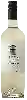
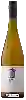
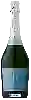
The Winery Leyda of Leyda Valley of Aconcagua
The Winery Leyda is one of the largest wineries in the world. It offers 29 wines for sale in of Leyda Valley to come and discover on site or to buy online.
Looking for the best Winery Leyda wines in Leyda Valley among all the wines in the region? Check out our tops of the best red, white or effervescent Winery Leyda wines. Also find some food and wine pairings that may be suitable with the wines from this area. Learn more about the region and the Winery Leyda wines with technical and enological descriptions.
How Winery Leyda wines pair with each other generally quite well with dishes of beef, lamb or game (deer, venison) such as recipes of vegetable noddles, lamb stew with yoghurt and coriander or rabbit with green olives.
On the nose the red wine of Winery Leyda. often reveals types of flavors of cherry, oaky or smoke and sometimes also flavors of earthy, blackberry or blueberry. In the mouth the red wine of Winery Leyda. is a powerful with a nice freshness.
The wine region of Leyda Valley is located in the region of San Antonio Valley of Aconcagua of Chile. Wineries and vineyards like the Domaine Amayna or the Domaine Amayna produce mainly wines white, red and pink. The most planted grape varieties in the region of Leyda Valley are Pinot noir, Chardonnay and Riesling, they are then used in wines in blends or as a single variety. On the nose of Leyda Valley often reveals types of flavors of cherry, cassis or coffee and sometimes also flavors of lychee, rose petal or dried fruit.
In the mouth of Leyda Valley is a powerful with a nice freshness. We currently count 100 estates and châteaux in the of Leyda Valley, producing 275 different wines in conventional, organic and biodynamic agriculture. The wines of Leyda Valley go well with generally quite well with dishes of beef, veal or game (deer, venison).
How Winery Leyda wines pair with each other generally quite well with dishes of pork, rich fish (salmon, tuna etc) or vegetarian such as recipes of pumpkin and bacon pie, spaghetti with salmon or zucchini quiche.
On the nose the white wine of Winery Leyda. often reveals types of flavors of pineapple, cream or grapefruit and sometimes also flavors of oaky, tropical or citrus. In the mouth the white wine of Winery Leyda. is a powerful with a nice freshness.
How Winery Leyda wines pair with each other generally quite well with dishes of veal, pork or game (deer, venison) such as recipes of veal tagine with carrots, wild boar stew or rabbit marinated with herbs and mustard.
On the nose the sparkling wine of Winery Leyda. often reveals types of flavors of tree fruit, citrus fruit.
Control of the vinification temperatures (by circulating hot or cold water on the walls of the vats, for example). This is a major step forward, which in particular helps to preserve the freshness of the aromas threatened by excessive temperature rises during fermentation.
How Winery Leyda wines pair with each other generally quite well with dishes of veal, pork or game (deer, venison) such as recipes of veal roast, country style, veal saltimbocca or duck breast and roasted peaches.
On the nose the pink wine of Winery Leyda. often reveals types of flavors of earth, tree fruit or citrus fruit and sometimes also flavors of red fruit.
Originally from Bordeaux, Sauvignon, or Sauvignon Blanc, is reputed to be one of the best French grape varieties for white wine. It is a white grape variety, not to be confused with Sauvignon Gris and its pale yellow color, or with Cabernet Sauvignon which produces red wines. Particularly famous thanks to Sancerre, Sauvignon Blanc is cultivated as far as New Zealand, where it produces great wines whose reputation is well established.
Planning a wine route in the of Leyda Valley? Here are the wineries to visit and the winemakers to meet during your trip in search of wines similar to Winery Leyda.
Carménère is a grape variety of Bordeaux origin. It is the result of a cross between Cabernet Franc and Gros Cabernet. In France, it occupies only about ten hectares, but it is also grown in Chile, Peru, the Andes, California, Italy and Argentina. The leaves of the carmenere are shiny and revolute. Its berries are round and medium-sized. Carménère is susceptible to grey rot, especially in wet autumn. It can also be exposed to the risk of climatic coulure, which is why it is important to grow it on poor soil and in warm areas. Carménère is associated with an average second ripening period. This variety has only one approved clone, 1059. It can be vinified with Cabernet Sauvignon and Merlot. It produces a rich, highly coloured wine, which acquires character when combined with other grape varieties.