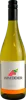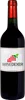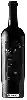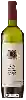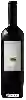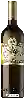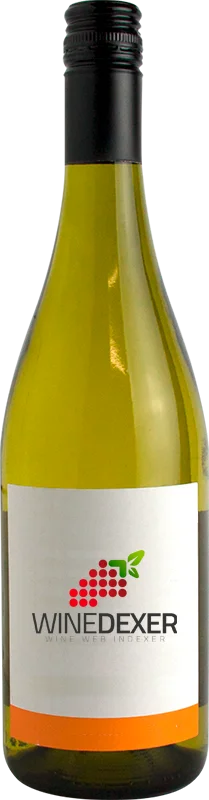
Winery Les Vins Jules GexJohannisberg Belroche
 White wine


This wine generally goes well with poultry, lean fish or shellfish.

Wine flavors and olphactive analysis

On the nose the Johannisberg Belroche of Winery Les Vins Jules Gex in the region of Valais often reveals types of flavors of microbio.
Food and wine pairings with Johannisberg Belroche
Pairings that work perfectly with Johannisberg Belroche



Original food and wine pairings with Johannisberg Belroche


The Johannisberg Belroche of Winery Les Vins Jules Gex matches generally quite well with dishes of shellfish, spicy food or poultry such as recipes of quick crayfish chicken, curried coral lentils or potato and bacon omelette.
Details and technical informations about Winery Les Vins Jules Gex's Johannisberg Belroche.
Discover the grape variety: Xarello
Structured, aromatic whites with full body and firm acidity, with aromas of white flowers, yellow fruits, fennel, fresh almond, Mediterranean herbs and mineral notes. Central component of Cava DO (with macabeo and parellada), bringing structure and ageing potential to Catalan sparkling wines. Also as ambitious still whites in Penedès DO and Classic Penedès. Native Catalan variety.
Last vintages of this wine

The best vintages of Johannisberg Belroche from Winery Les Vins Jules Gex are 0, 2016
Informations about the Winery Les Vins Jules Gex
The Winery Les Vins Jules Gex is one of of the world's great estates. It offers 16 wines for sale in the of Valais to come and discover on site or to buy online.

The wine region of Valais
Switzerland's largest vineyard, capital of native grapes. Straight, precise alpine whites: light, floral Chasselas (Fendant), signature Petite Arvine with saline, grapefruit and rhubarb notes, rich, apricoty Amigne, mineral Humagne Blanche. Altitude reds: fine Pinot Noir, crisp Gamay, native Cornalin and Humagne Rouge, spicy and deep. Highly precise alpine age-worthy wines.
The word of the wine: Drawing (liqueur de)
In champagne and sparkling wines of traditional method, addition to the wine, at the time of bottling (tirage) of sugars and yeasts dissolved in wine. These components will provoke the second fermentation in the bottle leading to the formation of carbon dioxide bubbles.