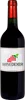
Winery Le Cantine di FigaroTabatha 121212
 Red wine


In the mouth this red wine is a powerful.
This wine generally goes well with poultry, beef or veal.

Taste structure of the Tabatha 121212 from the Winery Le Cantine di Figaro
Light | Bold | |
Smooth | Tannic | |
Dry | Sweet | |
Soft | Acidic |
In the mouth the Tabatha 121212 of Winery Le Cantine di Figaro in the region of Marche is a powerful.
Food and wine pairings with Tabatha 121212
Pairings that work perfectly with Tabatha 121212



Original food and wine pairings with Tabatha 121212

The Tabatha 121212 of Winery Le Cantine di Figaro matches generally quite well with dishes of beef, pasta or veal such as recipes of harira de mamie (moroccan soup), pumpkin and courgette lasagne or tripe in the style of caen.
Details and technical informations about Winery Le Cantine di Figaro's Tabatha 121212.
Discover the grape variety: Malvasia Istriana
Rich and structured whites with excellent ageing potential, a deep golden hue, an ample palate with fresh acidity and signature aromas of almond, white flowers (acacia), ripe yellow fruits (peach, apricot) and saline mineral notes. Also typical orange maceration wines. Star of the Istarska Malvazija (Croatia) and Malvasia Istriana di Friuli appellations, a great white of the northern Adriatic. Variety grown in Istria, shared between Croatia, Slovenia and Italy.
Last vintages of this wine
The best vintages of Tabatha 121212 from Winery Le Cantine di Figaro are 0
Informations about the Winery Le Cantine di Figaro
The Winery Le Cantine di Figaro is one of of the world's greatest estates. It offers 7 wines for sale in the of Marche to come and discover on site or to buy online.

The wine region of Marche
Italian star of Verdicchio: exceptional age-worthy whites, straight and mineral with signature notes of green almond, lemon, green apple, dry herbs and a slightly bitter finish. Two DOCGs: Castelli di Jesi (coastal, airy) and Matelica (inland, more concentrated). Mediterranean reds: fleshy Montepulciano in Rosso Conero near Ancona, supple Sangiovese. Also fresh Pecorino and Passerina.
The word of the wine: Disgorging (champagne)
This is the evacuation of the deposit formed by the yeasts during the second fermentation in the bottle, by opening the bottle. The missing volume is completed with the liqueur de dosage - a mixture of wine and cane sugar - before the final cork is placed. For some years now, some producers have been replacing this sugar with rectified concentrated musts (concentrated grape juice) which give excellent results. A too recent dosage (less than three months) harms the gustatory harmony of the champagne.