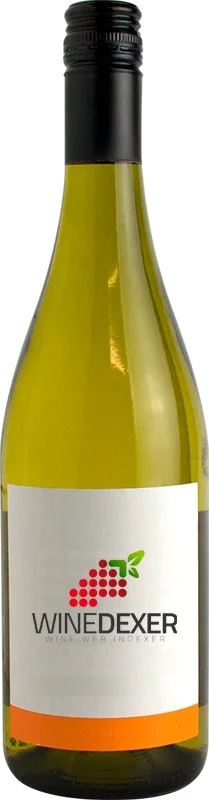
Château KefrayaComtesse de M
 White wine


This wine is a blend of 2 varietals which are the Chardonnay and the Viognier.
This wine generally goes well with pork, vegetarian or poultry.

Wine flavors and olphactive analysis



On the nose the Comtesse de M of Château Kefraya in the region of Bekaa Valley often reveals types of flavors of oak.
Food and wine pairings with Comtesse de M
Pairings that work perfectly with Comtesse de M



Original food and wine pairings with Comtesse de M



The Comtesse de M of Château Kefraya matches generally quite well with dishes of pork, game (deer, venison) or rich fish (salmon, tuna etc) such as recipes of rabbit with cider and mushrooms, rabbit with mustard and tomatoes or tahitian style raw fish.
Details and technical informations about Château Kefraya's Comtesse de M.
Discover the grape variety: Chardonnay
Whites with many faces: mineral and taut at Chablis (lemon, green apple, flint), opulent and buttery at Meursault and Puligny-Montrachet (hazelnut, brioche, yellow fruits), tense and chalky in Champagne (Blanc de Blancs). Also vinified sparkling and widely exported (Sonoma, Margaret River, Casablanca). A Burgundian variety, a cross of Pinot Noir × Gouais Blanc, half-sibling of Aligoté.
Last vintages of this wine
The best vintages of Comtesse de M from Château Kefraya are 0
Informations about the Château Kefraya
The Château Kefraya is one of of the world's great estates. It offers 43 wines for sale in the of Bekaa Valley to come and discover on site or to buy online.

The wine region of Bekaa Valley
Lebanese high-altitude valley (~1,000 m), ~6,000 years of winegrowing, ~90% of the country's wine. Complex, age-worthy reds with signature notes of black cherry, blackberry, garrigue, leather, cedar, oriental spices and a balsamic touch, firm tannins and long ageing — Cabernet for backbone, supple Cinsault, dense Carignan, fruity Grenache, peppery Syrah. Native whites Merwah and Obaideh, taut and mineral. Iconic Chateau Musar.
The word of the wine: Filling
Gentle transfer from one barrel to another to oxygenate the wine, eliminate some of the lees and reduce the carbon dioxide (fizz) that was released during the fermentations.