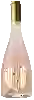
Winery La Jasse CastelTutti Frutti Languedoc Rosé
 Pink wine



In the mouth this pink wine is a with a nice freshness.
This wine generally goes well with vegetarian, appetizers and snacks or lean fish.

Taste structure of the Tutti Frutti Languedoc Rosé from the Winery La Jasse Castel
Light | Bold | |
Dry | Sweet | |
Soft | Acidic |
In the mouth the Tutti Frutti Languedoc Rosé of Winery La Jasse Castel in the region of Languedoc-Roussillon is a with a nice freshness.
Food and wine pairings with Tutti Frutti Languedoc Rosé
Pairings that work perfectly with Tutti Frutti Languedoc Rosé



Original food and wine pairings with Tutti Frutti Languedoc Rosé


The Tutti Frutti Languedoc Rosé of Winery La Jasse Castel matches generally quite well with dishes of pasta, vegetarian or appetizers and snacks such as recipes of pasta with ham and tomato, nanie's diced ham quiche or beet and goat aperitif verrines.
Details and technical informations about Winery La Jasse Castel's Tutti Frutti Languedoc Rosé.
Discover the grape variety: Kangun
Lively, aromatic dry whites with a pale golden robe and a lean, refreshing palate, with signature aromas of citrus (lemon, grapefruit), white flowers, white-fleshed fruits and mineral high-altitude notes. A refreshing Caucasian profile. Component of Armenian dry whites and the Armenian Ararat brandy, representing the viticultural identity of the Caucasus. Native Armenian white grape, mainly grown in the Ararat Valley.
Informations about the Winery La Jasse Castel
The Winery La Jasse Castel is one of of the world's greatest estates. It offers 9 wines for sale in the of Languedoc-Roussillon to come and discover on site or to buy online.

The wine region of Languedoc-Roussillon
Largest single French vineyard, dominated by sunny, generous reds. Spicy Syrah, candied Grenache (ripe fruit, garrigue), structured Carignan, deep Mourvèdre, supple Cinsault. Stars: structured Corbières, Minervois, Faugères, Saint-Chinian; round Côtes-du-Roussillon. Legendary vins doux naturels: Banyuls and Maury (fortified Grenache) with notes of cocoa, fig, prune.
The word of the wine: Tank
Made of concrete, stainless steel, enamelled steel or wood (now fashionable again), the vat is an indispensable tool during the entire winemaking process. It is also used to mature certain wines that do not need to go into barrel, or to preserve them.