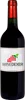
Winery La ColombieraRosacelsus
 Pink wine
This wine generally goes well with pork, poultry or beef.

Food and wine pairings with Rosacelsus
Pairings that work perfectly with Rosacelsus



Original food and wine pairings with Rosacelsus



The Rosacelsus of Winery La Colombiera matches generally quite well with dishes of beef, lamb or veal such as recipes of autumn leaves, mamyjaja lamb mouse tagine or milanese osso buco.
Details and technical informations about Winery La Colombiera's Rosacelsus.
Discover the grape variety: Sangiovese
Firm, upright reds with precise acidity and angular tannins, showing aromas of sour cherry, plum, dried herbs, leather, black tea and balsamic notes. Characteristically bitter, savoury finish. Star of Chianti Classico DOCG, Brunello di Montalcino DOCG, Vino Nobile di Montepulciano DOCG and Morellino di Scansano. Italy's most planted variety, a descendant of Ciliegiolo × Calabrese di Montenuovo.
Informations about the Winery La Colombiera
The Winery La Colombiera is one of of the world's greatest estates. It offers 6 wines for sale in the of Liguria to come and discover on site or to buy online.

The wine region of Liguria
Coastal region of northwest Italy on the Riviera, terraced vineyards among the steepest in Europe (~1,650 ha). Vermentino signature in white: fresh and saline with signature notes of citrus, white flowers, wild herbs, fresh almond and an iodine mineral touch, taut long mouth. Local Pigato similar and ample, mineral Bosco (min. 40% in Cinque Terre), Albarola.
The word of the wine: Carbonic maceration
Fermentation of whole grapes in a carbon dioxide-saturated atmosphere. This type of fermentation produces very aromatic and flattering wines.