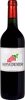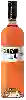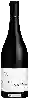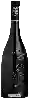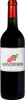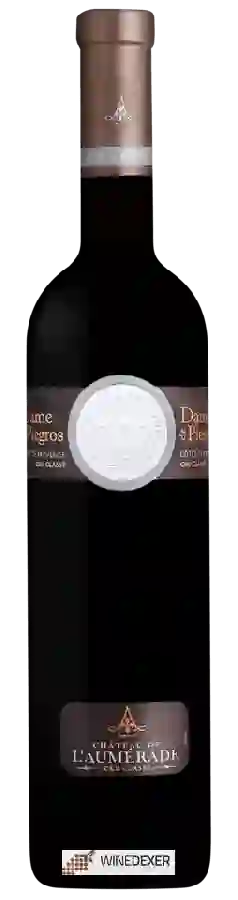
Château de l'AumeradeDame de Piègros Côtes de Provence Rouge
 Red wine



This wine generally goes well with beef, lamb or mature and hard cheese.

Food and wine pairings with Dame de Piègros Côtes de Provence Rouge
Pairings that work perfectly with Dame de Piègros Côtes de Provence Rouge



Original food and wine pairings with Dame de Piègros Côtes de Provence Rouge

The Dame de Piègros Côtes de Provence Rouge of Château de l'Aumerade matches generally quite well with dishes of beef, lamb or spicy food such as recipes of beef with mustard, risotto of penne with chorizo and merguez or tripe in the style of caen.
Details and technical informations about Château de l'Aumerade's Dame de Piègros Côtes de Provence Rouge.
Discover the grape variety: Moristel
Supple, fruity reds best drunk young, with a sustained ruby robe, silky tannins and an airy palate with fresh acidity, showing signature aromas of fresh red fruits (cherry, raspberry), soft spices and floral notes. Accessible profile. Often blended with Tempranillo and Garnacha, adding freshness to the reds of Somontano in northern Aragon. Spanish black grape grown in Aragon, mainly in the Somontano DO.
Last vintages of this wine
The best vintages of Dame de Piègros Côtes de Provence Rouge from Château de l'Aumerade are 2012, 2011
Informations about the Château de l'Aumerade
The Château de l'Aumerade is one of of the world's greatest estates. It offers 23 wines for sale in the of Côtes de Provence to come and discover on site or to buy online.

The wine region of Côtes de Provence
World reference for pale, elegant rosé: salmon to onion-skin hue, notes of strawberry, pink grapefruit, white peach and flowers, fresh, dry, mineral palate, taut finish. 90% of output, the Provençal signature. Grenache, Cinsault, Syrah and native Tibouren in the blend. A few fleshy Mediterranean reds (Mourvèdre, Syrah) and saline Vermentino whites.
The wine region of Provence
World capital of dry, refined rosé (~90% of production). Pale rose-petal colour, delicate nose of fresh red fruits (strawberry, raspberry, redcurrant), citrus (pink grapefruit), white flowers and a mineral touch, taut and thirst-quenching palate — the Mediterranean aperitif par excellence. Blends of Grenache, Cinsault, Syrah, Tibouren and Mourvèdre. Fleshy Bandol reds from Mourvèdre (leather, garrigue, age-worthy), straight Cassis whites.
The word of the wine: Botrytis cinerea
This fungus, also called noble rot, develops during the over-ripening phase and is an ally of great sweet white wines, when it concentrates the juice of the berries. It requires the humidity of morning fogs and beautiful sunny days, gives musts very rich in sugar and brings to the wines the famous taste of "roasted".