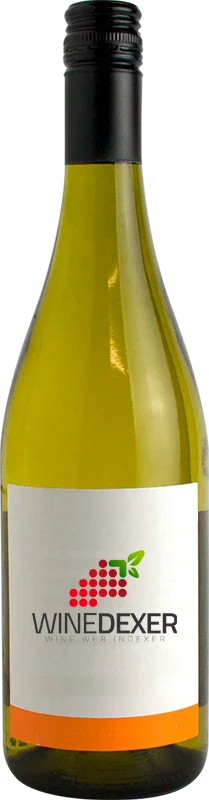
Winery Karpatská PerlaGrüner Veltliner
 White wine


This wine generally goes well with pork, vegetarian or lean fish.
The Grüner Veltliner of the Winery Karpatská Perla is in the top 50 of wines of Malokarpatská.
Food and wine pairings with Grüner Veltliner
Pairings that work perfectly with Grüner Veltliner



Original food and wine pairings with Grüner Veltliner



The Grüner Veltliner of Winery Karpatská Perla matches generally quite well with dishes of pork, rich fish (salmon, tuna etc) or shellfish such as recipes of pork roll with tomato sauce, salmon pavés en papillote or stuffed squid in the sétoise sauce.
Details and technical informations about Winery Karpatská Perla's Grüner Veltliner.
Discover the grape variety: Callet
This grape variety is native to the Balearic Islands (Spain), more precisely to the island of Mayorque, and has been cultivated for a very long time. It is said to be the result of a natural cross between the Callet Cas Concos (Negrella) and the Fogoneu, the former being in danger of extinction. Callet is hardly known in other wine-producing countries, but in France it should be interesting for the production of original rosé wines that are pleasant to drink.
Last vintages of this wine
The best vintages of Grüner Veltliner from Winery Karpatská Perla are 0
Informations about the Winery Karpatská Perla
The Winery Karpatská Perla is one of of the world's great estates. It offers 63 wines for sale in the of Malokarpatská to come and discover on site or to buy online.

The wine region of Malokarpatská
The wine region of Malokarpatská of Slovak Republic. Wineries and vineyards like the Domaine Rariga or the Domaine Vladimir Valenta produce mainly wines white, red and pink. The most planted grape varieties in the region of Malokarpatská are Cabernet-Sauvignon, Riesling and Gewurztraminer, they are then used in wines in blends or as a single variety. On the nose of Malokarpatská often reveals types of flavors of tree fruit, apples or citrus fruit and sometimes also flavors of non oak, earth or microbio.
The word of the wine: Barrel
A wooden barrel made of oak that varies in size depending on the region and is used to age wines. Some white wines are vinified and aged in barrels.