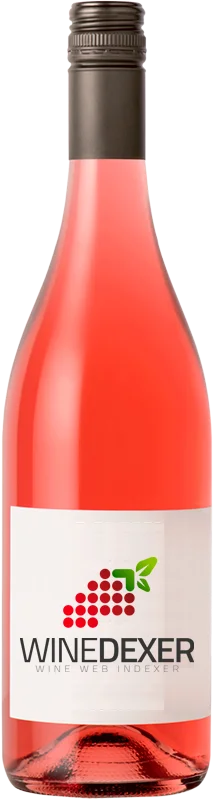
Winery GolguzCabernet Sauvignon Rosé
 Pink wine



This wine generally goes well with poultry, beef or lamb.
The Cabernet Sauvignon Rosé of the Winery Golguz is in the top 40 of wines of Malokarpatská.
Food and wine pairings with Cabernet Sauvignon Rosé
Pairings that work perfectly with Cabernet Sauvignon Rosé



Original food and wine pairings with Cabernet Sauvignon Rosé

The Cabernet Sauvignon Rosé of Winery Golguz matches generally quite well with dishes of beef, lamb or spicy food such as recipes of monkfish armorican style, marinated lamb chops or scallops with coconut cream.
Details and technical informations about Winery Golguz's Cabernet Sauvignon Rosé.
Discover the grape variety: Cabernet-Sauvignon
Cabernet-Sauvignon noir is a grape variety that originated in France (Bordeaux). It produces a variety of grape specially used for wine making. It is rare to find this grape to eat on our tables. This variety of grape is characterized by small bunches, and small grapes. Cabernet-Sauvignon noir can be found in many vineyards: South-West, Loire Valley, Languedoc & Roussillon, Cognac, Bordeaux, Armagnac, Rhone Valley, Provence & Corsica, Savoie & Bugey, Beaujolais.
Last vintages of this wine
The best vintages of Cabernet Sauvignon Rosé from Winery Golguz are 2015, 0
Informations about the Winery Golguz
The Winery Golguz is one of of the world's greatest estates. It offers 36 wines for sale in the of Malokarpatská to come and discover on site or to buy online.

The wine region of Malokarpatská
The wine region of Malokarpatská of Slovak Republic. Wineries and vineyards like the Domaine Rariga or the Domaine Vladimir Valenta produce mainly wines white, red and pink. The most planted grape varieties in the region of Malokarpatská are Cabernet-Sauvignon, Riesling and Gewurztraminer, they are then used in wines in blends or as a single variety. On the nose of Malokarpatská often reveals types of flavors of tree fruit, apples or citrus fruit and sometimes also flavors of non oak, earth or microbio.
The word of the wine: VQPRD
Quality wine produced in a specific region. European designation that groups together appellation wines, i.e., in France, AOC and VDQS.