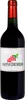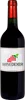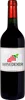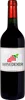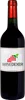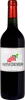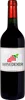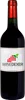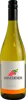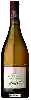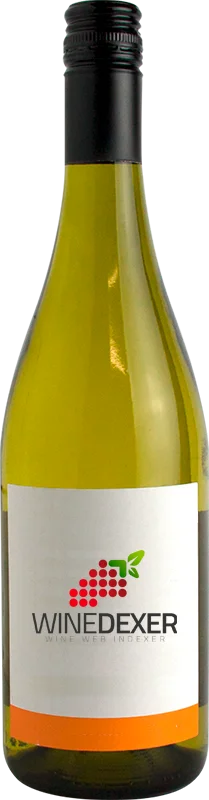
Winery JuhászEgri Chardonnay Selection
 White wine


This wine generally goes well with pork, vegetarian or poultry.

Wine flavors and olphactive analysis




On the nose the Egri Chardonnay Selection of Winery Juhász in the region of Eger often reveals types of flavors of oaky, citrus or butter and sometimes also flavors of non oak, microbio or oak.
Food and wine pairings with Egri Chardonnay Selection
Pairings that work perfectly with Egri Chardonnay Selection



Original food and wine pairings with Egri Chardonnay Selection

The Egri Chardonnay Selection of Winery Juhász matches generally quite well with dishes of pork, rich fish (salmon, tuna etc) or vegetarian such as recipes of steamed pork chops, salmon carpaccio with pink berries and shallots or quiche without eggs.
Details and technical informations about Winery Juhász's Egri Chardonnay Selection.
Discover the grape variety: Chardonnay
Whites with many faces: mineral and taut at Chablis (lemon, green apple, flint), opulent and buttery at Meursault and Puligny-Montrachet (hazelnut, brioche, yellow fruits), tense and chalky in Champagne (Blanc de Blancs). Also vinified sparkling and widely exported (Sonoma, Margaret River, Casablanca). A Burgundian variety, a cross of Pinot Noir × Gouais Blanc, half-sibling of Aligoté.
Last vintages of this wine

The best vintages of Egri Chardonnay Selection from Winery Juhász are 2014, 2013, 2015
Informations about the Winery Juhász
The Winery Juhász is one of of the world's great estates. It offers 46 wines for sale in the of Eger to come and discover on site or to buy online.

The wine region of Eger
Emblematic Hungarian region in the north, home of the legendary Egri Bikavér ("Bull's Blood"). A blend of fleshy, spicy reds with signature notes of black cherry, ripe plum, paprika, sweet spices and tobacco, round tannins. Mandatory base of Kékfrankos (Blaufränkisch), blended with fruity Kadarka, peppery Cabernet Franc and supple Merlot. Also Egri Csillag in white ("Star of Eger"), fresh and aromatic.
The word of the wine: Reassembly
During the vinification process, a "cap" is formed at the top of the vats with the solid parts (skin, pulp, pips, etc.), which contain tannins and colouring elements. Pumping over consists of emptying the vat from the bottom and pouring the juice back to the top, in order to mix the cap and the juice and to favour the exchange and the extraction. This old technique allows a better exchange between the solid parts and the liquid.