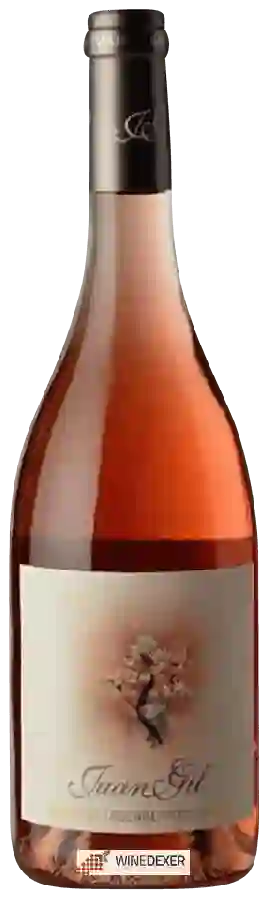
Winery Juan GilRosé
 Pink wine



This wine is composed of 100% of the grape variety Shiraz/Syrah.
This wine generally goes well with pork, beef or game (deer, venison).

Food and wine pairings with Rosé
Pairings that work perfectly with Rosé



Original food and wine pairings with Rosé



The Rosé of Winery Juan Gil matches generally quite well with dishes of beef, lamb or pork such as recipes of monkfish with vegetable tagliatelle, 7 o'clock leg of lamb or chinchards with white wine and grapes.
Details and technical informations about Winery Juan Gil's Rosé.
Discover the grape variety: Tempranillo
Elegant, structured reds with aromas of strawberry, cherry, plum, leather, blond tobacco and pronounced vanilla from long oak ageing. Ranges from Joven to Crianza, Reserva and Gran Reserva. Star of Rioja DOCa, Ribera del Duero DO and Toro DO, also shines in the Douro as Tinta Roriz/Aragonez. One of the world's most planted Spanish varieties.
Last vintages of this wine
The best vintages of Rosé from Winery Juan Gil are 2016, 2019, 0, 2017
Informations about the Winery Juan Gil
The Winery Juan Gil is one of of the world's great estates. It offers 61 wines for sale in the of Jumilla to come and discover on site or to buy online.

The wine region of Jumilla
Arid south-east Spain, kingdom of Monastrell (Mourvèdre, >85% of vineyards). Powerful, sunny reds with signature notes of candied blackberry, black plum, garrigue, pepper, leather and liquorice, firm tannins and a warm palate — a world reference for the grape. Many ungrafted old vines (phylloxera spared the limestone soils). Also supple Tempranillo, peppery Syrah, round Garnacha.
The wine region of Murcie
Wine region of southeastern Spain on sunny high plateaus, 3 DOs fanning out: Jumilla, Yecla, Bullas. Monastrell (Mourvedre) reigns in red (~80% of the vineyard): dense and sunny with signature notes of black mulberry, candied black cherry, garrigue, leather, liquorice and a sweet spice touch, firm tannins and a warm palate — pomegranate robe, sustained alcohol, often own-rooted. Round Grenache, supple Tempranillo, peppery Syrah. Southern wines with outstanding value.
The word of the wine: Tries (harvest by)
Harvesting in several successive passages to harvest at their optimal concentration the grapes affected by noble rot. They allow the production of great sweet wines.