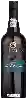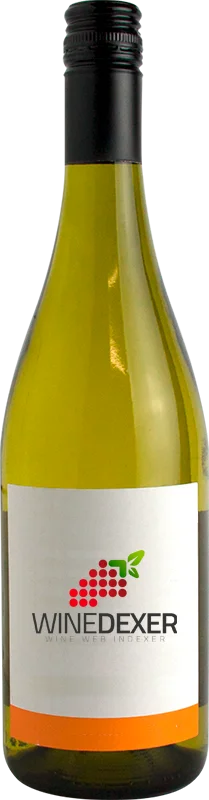
Winery Jorge Rosa SantosExplicit White
 White wine


In the mouth this white wine is a powerful.
This wine generally goes well with pork, lean fish or shellfish.

Taste structure of the Explicit White from the Winery Jorge Rosa Santos
Light | Bold | |
Dry | Sweet | |
Soft | Acidic |
In the mouth the Explicit White of Winery Jorge Rosa Santos in the region of Alentejano is a powerful.
Wine flavors and olphactive analysis

Food and wine pairings with Explicit White
Pairings that work perfectly with Explicit White



Original food and wine pairings with Explicit White

The Explicit White of Winery Jorge Rosa Santos matches generally quite well with dishes of pasta, pork or shellfish such as recipes of pasta with asparagus and chicken, cassoulet of yesteryear or pasta with mussels.
Details and technical informations about Winery Jorge Rosa Santos's Explicit White.
Discover the grape variety: Fernao Pires
Aromatic and lively whites with a tender palate and fresh acidity, on intense aromas of white flowers (orange blossom, acacia), citrus, white peach, muscat and spiced notes. Made as dry whites, popular off-dry styles and in sparkling wines from Bairrada. Also called Maria Gomes in Bairrada DOC. Widely grown in Ribatejo, Tejo DOC and Lisboa, one of Portugal's most planted white grapes. Native Portuguese variety.
Last vintages of this wine

The best vintages of Explicit White from Winery Jorge Rosa Santos are 2017, 2014, 2015, 0 and 2016.
Informations about the Winery Jorge Rosa Santos
The Winery Jorge Rosa Santos is one of of the world's greatest estates. It offers 11 wines for sale in the of Alentejano to come and discover on site or to buy online.

The wine region of Alentejano
Star of southern Portugal's great reds, sunny and opulent wines. Typical blends: round fruity Aragonez (Tempranillo), spicy Trincadeira, Touriga Nacional (black fruits, violet), deep teinturier Alicante Bouschet, juicy Castelão. Fleshy reds with notes of plum, black cherry, cocoa and sweet spices, melted tannins. Ample fresh Antão Vaz and Arinto whites.
The word of the wine: Destemming
Action consisting in separating the grapes from the stalk before vinification. The stalk, the woody part of the bunch, may give the wine an unpleasant vegetal character.