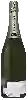
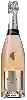
Winery Jacques CartierCrémant de Loire Brut
 Sparkling wine
This wine generally goes well with poultry, appetizers and snacks or lean fish.

Food and wine pairings with Crémant de Loire Brut
Pairings that work perfectly with Crémant de Loire Brut



Original food and wine pairings with Crémant de Loire Brut


The Crémant de Loire Brut of Winery Jacques Cartier matches generally quite well with dishes of shellfish, poultry or appetizers and snacks such as recipes of scallops with cream, spicy crispy chicken or aperitif puff pastries (cheese matches, puff pastries with....
Details and technical informations about Winery Jacques Cartier's Crémant de Loire Brut.
Discover the grape variety: Segalin
Colourful, fruity reds with an intense ruby robe, smooth tannins and a supple palate, showing simple aromas of red fruits (cherry, raspberry), plum, soft spices and Mediterranean notes. A productive, drink-young profile. Grown in small quantities in southern France for IGP Pays-d'Oc and modern southern blends. A French variety created in 1958 by complex crossing (Jurançon Noir × Portugais Bleu), intended for table wines.
Informations about the Winery Jacques Cartier
The Winery Jacques Cartier is one of of the world's greatest estates. It offers 10 wines for sale in the of Crémant de Loire to come and discover on site or to buy online.

The wine region of Crémant de Loire
Loire AOC for traditional-method sparkling wines (1975), a refined alternative to Champagne in Anjou, Saumur, Touraine. Fine, fresh bubbles with signature notes of green apple, pear, white flowers, brioche and a honeyed touch, a taut and thirst-quenching palate. Chenin Blanc as the base of Loire expression, complemented by round Chardonnay, Cabernet Franc (raspberry roses), Pinot Noir, Grolleau, Pineau d'Aunis. Hand-harvested, aged min.
The wine region of Loire Valley
Kingdom of lively, dry whites and fine sparklers. Mineral, taut Sauvignon Blanc (Sancerre, Pouilly-Fumé) with citrus and gunflint notes. Multiform Chenin Blanc (Vouvray, Savennières, Layon): straight dry, floral off-dry or noble sweet honey-quince. Saline, iodised Muscadet (Melon B.
The word of the wine: Leaf removal
Operation that consists in removing the leaves that form a screen between the sun and the grape.