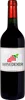
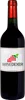
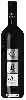
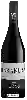
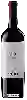
Winery SpadaforaColfiorito Rosso
 Red wine


In the mouth this red wine is a powerful.
This wine generally goes well with beef, lamb or pasta.

Taste structure of the Colfiorito Rosso from the Winery Spadafora
Light | Bold | |
Smooth | Tannic | |
Dry | Sweet | |
Soft | Acidic |
In the mouth the Colfiorito Rosso of Winery Spadafora in the region of Calabria is a powerful.
Food and wine pairings with Colfiorito Rosso
Pairings that work perfectly with Colfiorito Rosso



Original food and wine pairings with Colfiorito Rosso
The Colfiorito Rosso of Winery Spadafora matches generally quite well with dishes of beef, pasta or lamb such as recipes of vegetable noddles, the real recipe for carbonara or lamb tagine with olives and honey.
Details and technical informations about Winery Spadafora's Colfiorito Rosso.
Discover the grape variety: Pinot
An iconic family with varied profiles: fine, silky age-worthy reds (Pinot Noir) with cherry, raspberry and undergrowth aromas; lively mineral whites (Pinot Blanc/Weißburgunder); round spicy whites (Pinot Gris/Grauburgunder); fruity Champagne bases (Pinot Meunier/Spätburgunder). Stars of Burgundy, Alsace, Champagne, Germany and the New World. All mutations of a common Burgundian ancestor, among the world's greatest varieties.
Last vintages of this wine
The best vintages of Colfiorito Rosso from Winery Spadafora are 0, 2018
Informations about the Winery Spadafora
The Winery Spadafora is one of of the world's great estates. It offers 54 wines for sale in the of Calabria to come and discover on site or to buy online.

The wine region of Calabria
Italy's far south between the Ionian and Tyrrhenian seas, a millennia-old tradition (Greek "Oenotria"). Emblematic Gaglioppo (the "black prince"): sun-drenched reds with signature notes of black cherry, candied plum, garrigue, tobacco, spice and balsamic notes, firm tannins — peaking at Ciro DOC on the Ionian coast. Also fleshy Magliocco, dense Nerello, Greco Bianco in a fresh, almondy white, ample Mantonico. Hot Mediterranean climate, volcanic and clay-sandy soils.
The word of the wine: Disgorging (champagne)
This is the evacuation of the deposit formed by the yeasts during the second fermentation in the bottle, by opening the bottle. The missing volume is completed with the liqueur de dosage - a mixture of wine and cane sugar - before the final cork is placed. For some years now, some producers have been replacing this sugar with rectified concentrated musts (concentrated grape juice) which give excellent results. A too recent dosage (less than three months) harms the gustatory harmony of the champagne.