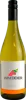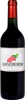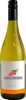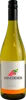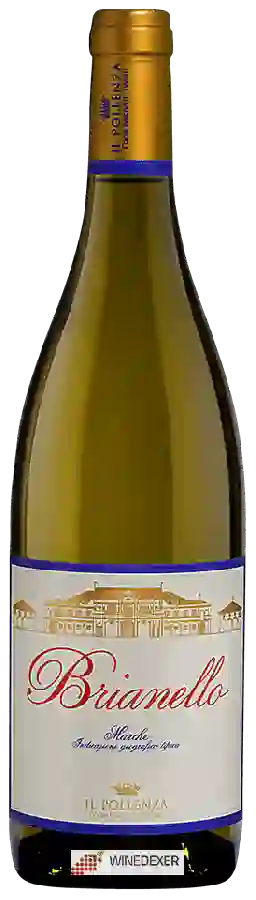
Winery Il PollenzaBrianello
 White wine



In the mouth this white wine is a powerful with a nice freshness.
This wine generally goes well with vegetarian, appetizers and snacks or lean fish.
Taste structure of the Brianello from the Winery Il Pollenza
Light | Bold | |
Dry | Sweet | |
Soft | Acidic |
In the mouth the Brianello of Winery Il Pollenza in the region of Marche is a powerful with a nice freshness.
Wine flavors and olphactive analysis




On the nose the Brianello of Winery Il Pollenza in the region of Marche often reveals types of flavors of earth, microbio or vegetal and sometimes also flavors of tree fruit, citrus fruit.
Food and wine pairings with Brianello
Pairings that work perfectly with Brianello



Original food and wine pairings with Brianello


The Brianello of Winery Il Pollenza matches generally quite well with dishes of pasta, vegetarian or appetizers and snacks such as recipes of leek and salmon lasagna, leek, goat cheese and bacon quiche or caricoles as in brussels (translation: sea snails or whelks).
Details and technical informations about Winery Il Pollenza's Brianello.
Discover the grape variety: Camaraou
It has been cultivated for a long time in Bearn and in the Jurançonnais. Today, it is very little multiplied and therefore in danger of disappearing. Published genetic analyses have made it possible to discover that it is related to one or more grape varieties, including Savagnin. For more information, click here!
Last vintages of this wine
The best vintages of Brianello from Winery Il Pollenza are 2017, 2016, 2014, 2013 and 2009.
Informations about the Winery Il Pollenza
The Winery Il Pollenza is one of of the world's greatest estates. It offers 10 wines for sale in the of Marche to come and discover on site or to buy online.

The wine region of Marche
Marche (or Le Marche; pronounced Mar-kay) is a region in eastern CentralItaly. It is most associated with white wines made from Trebbiano and Verdicchio grapes. Marche occupies a roughly triangular area. Its longer sides are formed by the Apennine Mountains to the west and the Adriatic Sea to the east.
The word of the wine: N-D
Negociant-distributor. In Champagne, a company that buys finished wines in bottles that are dressed under a brand name with the merchant's own labels.