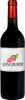
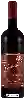
Winery GustavshofSpätburgunder lieblich
 Red wine



In the mouth this red wine is a with a nice freshness.
This wine generally goes well with poultry, beef or veal.

Taste structure of the Spätburgunder lieblich from the Winery Gustavshof
Light | Bold | |
Smooth | Tannic | |
Dry | Sweet | |
Soft | Acidic |
In the mouth the Spätburgunder lieblich of Winery Gustavshof in the region of Rheinhessen is a with a nice freshness.
Food and wine pairings with Spätburgunder lieblich
Pairings that work perfectly with Spätburgunder lieblich



Original food and wine pairings with Spätburgunder lieblich

The Spätburgunder lieblich of Winery Gustavshof matches generally quite well with dishes of beef, veal or game (deer, venison) such as recipes of roast beef with pepper, delicious veal stew or duck with orange.
Details and technical informations about Winery Gustavshof's Spätburgunder lieblich.
Discover the grape variety: Ohanès
Table grape with long bunches and thick-skinned golden berries with crunchy flesh, a balanced sweet flavour, ideal for extended winter storage. Late-ripening and suited to the dry Andalusian climate. Grown mainly for fresh consumption in Spain, appreciated for its attractive appearance and excellent winter shelf life on European markets. Spanish white table grape, autochthonous from Almería in Andalusia.
Last vintages of this wine
The best vintages of Spätburgunder lieblich from Winery Gustavshof are 0, 2015
Informations about the Winery Gustavshof
The Winery Gustavshof is one of of the world's great estates. It offers 66 wines for sale in the of Rheinhessen to come and discover on site or to buy online.

The wine region of Rheinhessen
71% white region: Riesling is king (5,000 ha), dry to off-dry, ripe yellow fruit, apple, citrus and fine saline minerality. Supple, floral Müller-Thurgau for everyday, the world's largest Silvaner plantation with herbaceous, straight notes. Historic cradle of off-sweet Liebfraumilch. Some supple reds (Dornfelder, Spätburgunder).
The word of the wine: Baco 22A
A white grape variety resulting from the hybridization of the folle blanche and the noah. It is the only hybrid to remain authorized in a French appellation vineyard, that of Armagnac, where it thrives in particular on the tawny sands of Bas-Armagnac. When distilled, its wine produces round, smooth and aromatic eaux-de-vie with hints of ripe fruit.