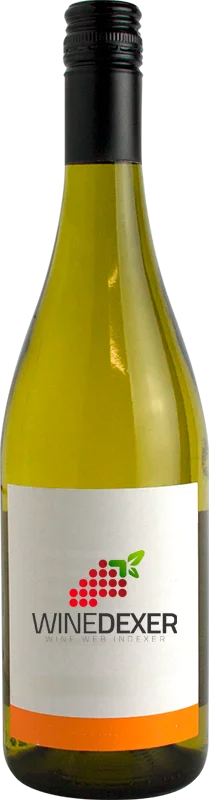
Winery Giuseppe VitaliBianco
 White wine
In the mouth this white wine is a with a nice freshness.
This wine generally goes well with vegetarian, appetizers and snacks or lean fish.
Taste structure of the Bianco from the Winery Giuseppe Vitali
Light | Bold | |
Dry | Sweet | |
Soft | Acidic |
In the mouth the Bianco of Winery Giuseppe Vitali in the region of Marche is a with a nice freshness.
Food and wine pairings with Bianco
Pairings that work perfectly with Bianco



Original food and wine pairings with Bianco


The Bianco of Winery Giuseppe Vitali matches generally quite well with dishes of pasta, vegetarian or appetizers and snacks such as recipes of multicoloured butterfly pasta, zucchini quiche or green tomatoes in vinegar.
Details and technical informations about Winery Giuseppe Vitali's Bianco.
Discover the grape variety: Abondance
A very old grape variety that was once grown in Savoie and more generally in the Isère Valley, but has now almost disappeared from the vineyards. It should not be confused with Abundant which is a white grape variety formerly cultivated in eastern France.
Informations about the Winery Giuseppe Vitali
The Winery Giuseppe Vitali is one of of the world's greatest estates. It offers 7 wines for sale in the of Marche to come and discover on site or to buy online.

The wine region of Marche
Marche (or Le Marche; pronounced Mar-kay) is a region in eastern CentralItaly. It is most associated with white wines made from Trebbiano and Verdicchio grapes. Marche occupies a roughly triangular area. Its longer sides are formed by the Apennine Mountains to the west and the Adriatic Sea to the east.
The word of the wine: Flowable
A supple, easy-drinking wine with little consistency in the mouth.