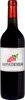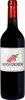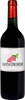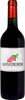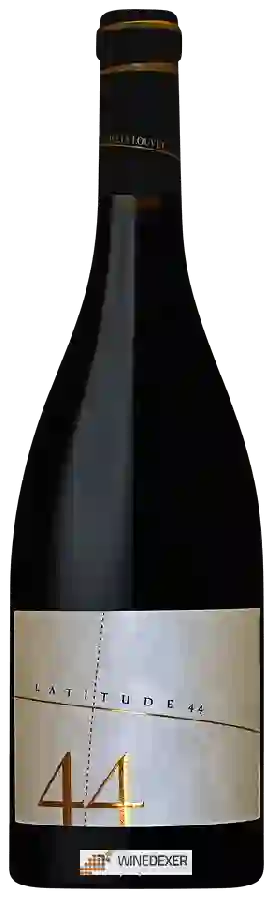
Winery Gilles LouvetLatitude 44
 Red wine


In the mouth this red wine is a powerful with a nice balance between acidity and tannins.
This wine generally goes well with beef, veal or pasta.
Taste structure of the Latitude 44 from the Winery Gilles Louvet
Light | Bold | |
Smooth | Tannic | |
Dry | Sweet | |
Soft | Acidic |
In the mouth the Latitude 44 of Winery Gilles Louvet in the region of Languedoc-Roussillon is a powerful with a nice balance between acidity and tannins.
Food and wine pairings with Latitude 44
Pairings that work perfectly with Latitude 44



Original food and wine pairings with Latitude 44
The Latitude 44 of Winery Gilles Louvet matches generally quite well with dishes of beef, pasta or veal such as recipes of braised beef with carrots, eggplant and zucchini lasagna or veal chop normandy style.
Details and technical informations about Winery Gilles Louvet's Latitude 44.
Discover the grape variety: Alicante Bouschet
It is a crossbreed made in 1855 by Louis and Henri Bouschet from an intraspecific crossing between Grenache noir and Petit Bouschet. The Alicante Henri Bouschet is less and less multiplied, registered however in the Official Catalogue of the varieties of vine of wine grapes list A.
Informations about the Winery Gilles Louvet
The Winery Gilles Louvet is one of of the world's great estates. It offers 67 wines for sale in the of Languedoc to come and discover on site or to buy online.

The wine region of Languedoc
Languedoc (formerly Coteaux du Languedoc) is a key appellation used in the Languedoc-Roussillon wine region of southern France. It covers Dry table wines of all three colors (red, white and rosé) from the entire region, but leaves Sweet and Sparkling wines to other more specialized appellations. About 75% of all Languedoc wines are red, with the remaining 25% split roughly down the middle between whites and rosés. The appellation covers most of the Languedoc region and almost a third of all the vineyards in France.
The wine region of Languedoc-Roussillon
Languedoc (formerly Coteaux du Languedoc) is a key appellation used in the Languedoc-Roussillon wine region of southern France. It covers Dry table wines of all three colors (red, white and rosé) from the entire region, but leaves Sweet and Sparkling wines to other more specialized appellations. About 75% of all Languedoc wines are red, with the remaining 25% split roughly down the middle between whites and rosés. The appellation covers most of the Languedoc region and almost a third of all the vineyards in France.
The word of the wine: Removal of shoes
In the spring, this operation consists of removing the mound of earth formed at the foot of the vines by ploughing between the rows in the autumn.