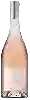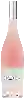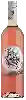
Domaine de la ClapièreCuvée Daimy
 Pink wine
In the mouth this pink wine is a with a nice freshness.
This wine generally goes well with vegetarian, appetizers and snacks or lean fish.
Taste structure of the Cuvée Daimy from the Domaine de la Clapière
Light | Bold | |
Dry | Sweet | |
Soft | Acidic |
In the mouth the Cuvée Daimy of Domaine de la Clapière in the region of Languedoc-Roussillon is a with a nice freshness.
Food and wine pairings with Cuvée Daimy
Pairings that work perfectly with Cuvée Daimy



Original food and wine pairings with Cuvée Daimy


The Cuvée Daimy of Domaine de la Clapière matches generally quite well with dishes of pasta, vegetarian or appetizers and snacks such as recipes of pasta "carbonara" à la française, quiche without pastry or happy new year bites.
Details and technical informations about Domaine de la Clapière's Cuvée Daimy.
Discover the grape variety: Corinthe
Would find its first origins in the islands of the Greek archipelago. According to a study conducted in collaboration with SupAgro-Montpellier (Hérault), it would be a relative of the pedro ximénes, for more information click here ! It can be found in Greece, Australia, South Africa, the United States (California), ... hardly cultivated in France except among a few amateur gardeners. In Italy, it is vinified to serve as a base for the production of many vermouths.
Informations about the Domaine de la Clapière
The Domaine de la Clapière is one of of the world's greatest estates. It offers 16 wines for sale in the of Languedoc-Roussillon to come and discover on site or to buy online.

The wine region of Languedoc-Roussillon
Languedoc (formerly Coteaux du Languedoc) is a key appellation used in the Languedoc-Roussillon wine region of southern France. It covers Dry table wines of all three colors (red, white and rosé) from the entire region, but leaves Sweet and Sparkling wines to other more specialized appellations. About 75% of all Languedoc wines are red, with the remaining 25% split roughly down the middle between whites and rosés. The appellation covers most of the Languedoc region and almost a third of all the vineyards in France.
The word of the wine: Over-ripeness
Characteristic of grapes harvested late, rich in sugar, which give wines often mellow and marked by candied aromas.