The Château de la Botinière of Loire Valley
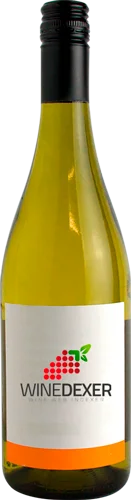
The Château de la Botinière is one of the best wineries to follow in Vallée de la Loire.. It offers 3 wines for sale in of Loire Valley to come and discover on site or to buy online.
Looking for the best Château de la Botinière wines in Loire Valley among all the wines in the region? Check out our tops of the best red, white or effervescent Château de la Botinière wines. Also find some food and wine pairings that may be suitable with the wines from this area. Learn more about the region and the Château de la Botinière wines with technical and enological descriptions.
How Château de la Botinière wines pair with each other generally quite well with dishes of pork, rich fish (salmon, tuna etc) or vegetarian such as recipes of cassoulet of yesteryear, salmon in foil in the microwave or zucchini and goat cheese quiche.
On the nose the white wine of Château de la Botinière. often reveals types of flavors of citrus, apples or green apple and sometimes also flavors of lime, minerality or lemon. In the mouth the white wine of Château de la Botinière. is a with a nice freshness.
Kingdom of lively, dry whites and fine sparklers. Mineral, taut Sauvignon Blanc (Sancerre, Pouilly-Fumé) with citrus and gunflint notes. Multiform Chenin Blanc (Vouvray, Savennières, Layon): straight dry, floral off-dry or noble sweet honey-quince. Saline, iodised Muscadet (Melon B.
). Fine, crunchy Cabernet Franc reds (Chinon, Bourgueil) on raspberry and ripe pepper. Elegant Crémants. ~70,000 ha, oceanic climate over 800 km.
Wines for fine dining.
Planning a wine route in the of Loire Valley? Here are the wineries to visit and the winemakers to meet during your trip in search of wines similar to Château de la Botinière.
Intensely perfumed aromatic whites with a pale golden robe, showing powerful signature aromas of muscat, rose, white flowers, fresh grape and exotic fruits. Prized for sweet wines, fortified muscats (Moscatel de Setúbal, Málaga) and aromatic table grapes. Grown in Spain (Málaga, Levant), Portugal, Italy and the Maghreb. The Anglo-Saxon and Iberian name for Muscat Blanc à Petits Grains, a historic aromatic variety.