The Domaine de la Fosseille of Rivesaltes of Languedoc-Roussillon
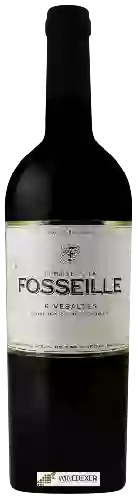
The Domaine de la Fosseille is one of the world's great estates. It offers 1 wines for sale in of Rivesaltes to come and discover on site or to buy online.

Looking for the best Domaine de la Fosseille wines in Rivesaltes among all the wines in the region? Check out our tops of the best red, white or effervescent Domaine de la Fosseille wines. Also find some food and wine pairings that may be suitable with the wines from this area. Learn more about the region and the Domaine de la Fosseille wines with technical and enological descriptions.
How Domaine de la Fosseille wines pair with each other generally quite well with dishes of spicy food or sweet desserts such as recipes of hawaiian pizza or real chocolate cake.
Rivesaltes is an appellation for the historic Sweet wines of eastern Roussillon, in the DeepSouth of France. The natural sweet wines produced in this region have been revered since at least the 14th century. The technique used to make them is one of many techniques used for sweet wines. Unlike botrytized wines or ice wines, natural sweet wines are made by Mutage, a process that involves stopping the Fermentation of the must while a high level of natural sweetness remains.
With their high levels of residual sugar (at least 100 g/l) and Alcohol (between 15 and 17% ABV), these wines are sweet and relatively viscous. Understandably, Rivesaltes wines are often confused with Muscat de Rivesaltes wines, which are similar in style and come from the same region. The main difference is that Muscat de Rivesaltes is made from Muscat Grapes, whereas Rivesaltes is made from Grenache in all three forms (Black, White and Grey). Rivesaltes wines are produced in several forms, which are Distinguished by their colours (the result of the grape varieties and the ageing processes used to make them).
Planning a wine route in the of Rivesaltes? Here are the wineries to visit and the winemakers to meet during your trip in search of wines similar to Domaine de la Fosseille.
This variety is of unknown origin and is not related to the black olivette. The flowers of the Olivette blanche are physiologically female, which has led it to be cultivated very often in association with other varieties. Today, it is practically no longer multiplied, although it is registered in the Official Catalogue of vine varieties, list A1.

