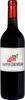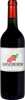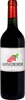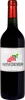
Winery Filipe PalhoçaMerlot
 Red wine


In the mouth this red wine is a powerful with a nice balance between acidity and tannins.
This wine generally goes well with poultry, beef or veal.
Taste structure of the Merlot from the Winery Filipe Palhoça
Light | Bold | |
Smooth | Tannic | |
Dry | Sweet | |
Soft | Acidic |
In the mouth the Merlot of Winery Filipe Palhoça in the region of Península de Setúbal is a powerful with a nice balance between acidity and tannins.
Food and wine pairings with Merlot
Pairings that work perfectly with Merlot



Original food and wine pairings with Merlot

The Merlot of Winery Filipe Palhoça matches generally quite well with dishes of beef, pasta or veal such as recipes of provencal stew, the real recipe for carbonara or potjevlesch (northern france).
Details and technical informations about Winery Filipe Palhoça's Merlot.
Discover the grape variety: Merlot
Merlot is a red grape variety with small black berries that appeared at the end of the 18th century. It is produced in most of the Bordeaux terroirs, where it represents 58% of the planted area, and its best terroir is located in Pomerol and Saint-Emilion on cool, clay-limestone soils. At the mythical Château Pétrus, the wine is made with 95% Merlot, with a dark, dense colour, aromas of red and black fruits and a superb range of flavours, the Merlot transforms during its ageing to give way to notes of prunes, undergrowth and spices. On the palate, it is supple with distinguished tannins. It is often blended with Cabernet Sauvignon. Merlot is no longer exclusive to Bordeaux, it is nowadays vinified all over the world.
Last vintages of this wine
The best vintages of Merlot from Winery Filipe Palhoça are 2016, 0
Informations about the Winery Filipe Palhoça
The Winery Filipe Palhoça is one of of the world's greatest estates. It offers 21 wines for sale in the of Península de Setúbal to come and discover on site or to buy online.

The wine region of Península de Setúbal
Setúbal Peninsula (also known as Península de Setúbal) is the Portuguese wine region immediately southeast of Lisbon, across the Tejo estuary. The Terroir in the area ranges from sandy coastal plains to the craggy, limestone-rich Serra Arribida hills. The area is known for its Dry red wines made from Castelão, and for its fortified wines and Sweet Moscatel de Setúbal. The wines produced here are made under three titles: two DOCs, Palmela and Setúbal, and one IGP.
The word of the wine: Primeur (wine)
A wine made to be drunk very young, bottled and marketed very soon after fermentation (about two months). Syn.: new.