The Winery Fecovita of Mendoza
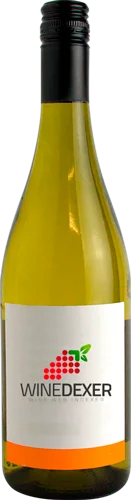
The Winery Fecovita is one of the best wineries to follow in Mendoza.. It offers 45 wines for sale in of Mendoza to come and discover on site or to buy online.

Looking for the best Winery Fecovita wines in Mendoza among all the wines in the region? Check out our tops of the best red, white or effervescent Winery Fecovita wines. Also find some food and wine pairings that may be suitable with the wines from this area. Learn more about the region and the Winery Fecovita wines with technical and enological descriptions.
How Winery Fecovita wines pair with each other generally quite well with dishes of pork, rich fish (salmon, tuna etc) or shellfish such as recipes of mushroom, bacon and gruyere quiche, risotto with fresh salmon and zucchini or creamy risotto with scallops.
In the mouth the white wine of Winery Fecovita. is a powerful with a nice freshness.
Mendoza is by far the largest wine region in Argentina. Located on a high-altitude plateau at the edge of the Andes Mountains, the province is responsible for roughly 70 percent of the country's annual wine production. The French Grape variety Malbec has its New World home in the vineyards of Mendoza, producing red wines of great concentration and intensity.
The province Lies on the western edge of Argentina, across the Andes Mountains from Chile.
While the province is large (it covers a similar area to the state of New York), its viticultural land is clustered mainly in the northern Part, just South of Mendoza City. Here, the regions of Lujan de Cuyo, Maipu and the Uco Valley are home to some of the biggest names in Argentinian wine.
Mendoza's winemaking history is nearly as Old as the colonial history of Argentina itself. The first vines were planted by priests of the Catholic Church's Jesuit order in the mid-16th Century, borrowing agricultural techniques from the Incas and Huarpes, who had occupied the land before them.
Malbec was introduced around this time by a French agronomist, Miguel Aimé Pouget.
In the 1800s, Spanish and Italian immigrants flooded into Mendoza to escape the ravages of the Phylloxera louse that was devastating vineyards in Europe at the time. A boom in wine production came in 1885, when a railway line was completed between Mendoza and the country's capital city, Buenos Aires, providing a cheaper, easier way of sending wines out of the region. For most of the 20th Century, the Argentinean wine industry focused almost entirely on the domestic market, and it is only in the past 25 years that a push toward quality has led to the wines of Mendoza gracing restaurant lists the world over.
How Winery Fecovita wines pair with each other generally quite well with dishes of beef, lamb or spicy food such as recipes of pork shoulder with mustard, sauté of lamb or pizza with peppers and spicy chicken.
On the nose the red wine of Winery Fecovita. often reveals types of flavors of non oak, earth or oak and sometimes also flavors of citrus fruit, red fruit or black fruit. In the mouth the red wine of Winery Fecovita. is a powerful.
How Winery Fecovita wines pair with each other generally quite well with dishes of sweet desserts such as recipes of yoghurt cake.
Perception of odours and aromas by the olfactory bulb. Retroolfaction is the same phenomenon inside the mouth via the retronasal route.
How Winery Fecovita wines pair with each other generally quite well with dishes such as recipes .
Merlot noir is a grape variety that originated in France (Bordeaux). It produces a variety of grape specially used for wine making. It is rare to find this grape to eat on our tables. This variety of grape is characterized by small to medium sized bunches, and medium sized grapes. Merlot noir can be found in many vineyards: South West, Languedoc & Roussillon, Cognac, Bordeaux, Loire Valley, Armagnac, Burgundy, Jura, Champagne, Rhone Valley, Beaujolais, Provence & Corsica, Savoie & Bugey.
Planning a wine route in the of Mendoza? Here are the wineries to visit and the winemakers to meet during your trip in search of wines similar to Winery Fecovita.