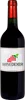
Winery ElevenSweet Sarah
 Sweet wine


This wine generally goes well with beef, lamb or mature and hard cheese.
The Sweet Sarah of the Winery Eleven is in the top 70 of wines of Washington.

Wine flavors and olphactive analysis


On the nose the Sweet Sarah of Winery Eleven in the region of Washington often reveals types of flavors of oak, red fruit.
Food and wine pairings with Sweet Sarah
Pairings that work perfectly with Sweet Sarah



Original food and wine pairings with Sweet Sarah

The Sweet Sarah of Winery Eleven matches generally quite well with dishes of beef, lamb or spicy food such as recipes of beef tongue in hot sauce, lamb shoulder confit with harissa or garlic shrimp.
Details and technical informations about Winery Eleven's Sweet Sarah.
Discover the grape variety: Raffiat de Moncade
Lively, aromatic dry whites with a pale golden robe and a lean, fresh palate, with signature aromas of citrus (lemon, grapefruit), white flowers, white-fleshed fruits (pear) and Pyrenean herbal notes. Airy Béarnais profile to drink young. Preserved in the Béarn for its heritage value, surviving around Salies-de-Béarn. Very rare native French white grape from Pyrénées-Atlantiques.
Last vintages of this wine
The best vintages of Sweet Sarah from Winery Eleven are 0
Informations about the Winery Eleven
The Winery Eleven is one of of the world's greatest estates. It offers 30 wines for sale in the of Washington to come and discover on site or to buy online.

The wine region of Washington
2nd US producer by volume, on the arid, sunny Columbia Valley. Star Cabernet Sauvignon (~60% of reds): powerful and structured with signature notes of blackcurrant, blackberry, cedar, dry herbs and graphite, firm tannins. Fleshy, peppery Syrah (black fruits, smoked meat). Round, fruity Merlot, historic mineral Riesling (dry and off-dry), precise Chardonnay and ample Sémillon.
The word of the wine: Free-run wine
The free-run wine is the wine that flows out of the vat by gravity at the time of running off. The marc soaked in wine is then pressed to extract a rich and tannic wine. Free-run wine and press wine are then aged separately and eventually blended by the winemaker in proportions defined according to the type of wine being made.