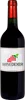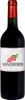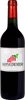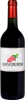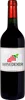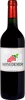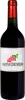
Winery DuchmanCanto Felice
 Red wine



This wine is a blend of 2 varietals which are the Sangiovese and the Viognier.
This wine generally goes well with pork, poultry or beef.
Wine flavors and olphactive analysis




On the nose the Canto Felice of Winery Duchman in the region of Texas often reveals types of flavors of non oak, earth or microbio and sometimes also flavors of oak, spices or red fruit.
Food and wine pairings with Canto Felice
Pairings that work perfectly with Canto Felice



Original food and wine pairings with Canto Felice



The Canto Felice of Winery Duchman matches generally quite well with dishes of beef, veal or pork such as recipes of alsatian bäckeoffe, veal paupiettes with onions and tomatoes or gratin of fresh chard (green and ribs).
Details and technical informations about Winery Duchman's Canto Felice.
Discover the grape variety: Sangiovese
Originally from Italy, it is the famous Sangiovese of Tuscany producing the famous wines of Brunello de Montalcino and Chianti. This variety is registered in the Official Catalogue of Wine Grape Varieties, list A1. According to recent genetic analysis, it is the result of a natural cross between the almost unknown Calabrese di Montenuovo (mother) and Ciliegiolo (father).
Last vintages of this wine
The best vintages of Canto Felice from Winery Duchman are 2012, 2010, 2013, 0 and 2017.
Informations about the Winery Duchman
The Winery Duchman is one of of the world's greatest estates. It offers 25 wines for sale in the of Texas to come and discover on site or to buy online.

The wine region of Texas
Texas is the largest state in the United States of America and one of the most productive viticultural states. Covering 696,000 km² (268,000 square miles) between latitudes 25-36°N, this hot, Dry state is home to a range of mesoclimates suitable for viticulture in the deserts, mountains, lakes and plains of Texas. The main Grape varieties grown in Texas are Cabernet Sauvignon, Chardonnay, Chenin Blanc and (despite the hot conditions) Sauvignon Blanc. Generally speaking, Texas viticulture is divided into three main regions: NorthCentral, Southeast and Trans-Pecos.
The word of the wine: Chaptalization
The addition of sugar at the time of fermentation of the must, an ancient practice, but theorized by Jean-Antoine Chaptal at the dawn of the 19th century. The sugar is transformed into alcohol and allows the natural degree of the wine to be raised in a weak or cold year, or - more questionably - when the winegrower has a harvest that is too large to obtain good maturity.