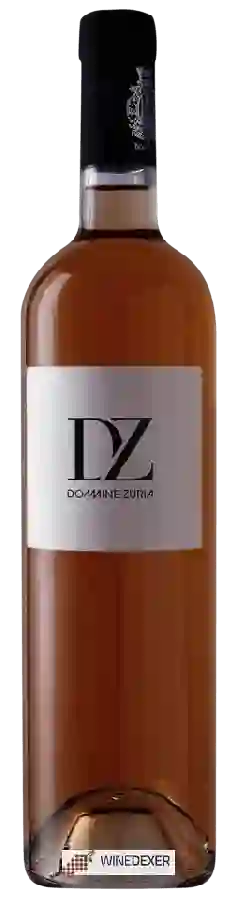
Domaine ZuriaRosé
 Pink wine


This wine generally goes well with pork, poultry or beef.

Wine flavors and olphactive analysis


On the nose the Rosé of Domaine Zuria in the region of Corsica often reveals types of flavors of raspberry, red fruit.
Food and wine pairings with Rosé
Pairings that work perfectly with Rosé



Original food and wine pairings with Rosé



The Rosé of Domaine Zuria matches generally quite well with dishes of beef, veal or pork such as recipes of beef lark, sauté of pork with carrots and potatoes or oven roasted rabbit that cooks itself!.
Details and technical informations about Domaine Zuria's Rosé.
Discover the grape variety: Sangiovese
Firm, upright reds with precise acidity and angular tannins, showing aromas of sour cherry, plum, dried herbs, leather, black tea and balsamic notes. Characteristically bitter, savoury finish. Star of Chianti Classico DOCG, Brunello di Montalcino DOCG, Vino Nobile di Montepulciano DOCG and Morellino di Scansano. Italy's most planted variety, a descendant of Ciliegiolo × Calabrese di Montenuovo.
Last vintages of this wine

The best vintages of Rosé from Domaine Zuria are 2017, 2018, 2016
Informations about the Domaine Zuria
The Domaine Zuria is one of of the world's greatest estates. It offers 9 wines for sale in the of Corsica to come and discover on site or to buy online.

The wine region of Corsica
Mediterranean island wine region with a triple native face, ~8,000 ha. Niellucciu signature (cousin of Sangiovese) dominates Patrimonio: structured reds with signature notes of black cherry, garrigue, maquis, spices and leather, firm tannins and sun-drenched mouth. Sciaccarellu (min. 60% in Ajaccio) lighter and peppery (strawberry, wild herbs).
The word of the wine: Interknot
Botanical term for the interval between two nodes or between two leaf insertions on a branch (see merithallus).