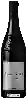
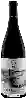
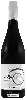
Domaine Le ColombierLes 3J
 Red wine


This wine generally goes well with beef, lamb or mature and hard cheese.

Wine flavors and olphactive analysis


On the nose the Les 3J of Domaine Le Colombier in the region of Méditerranée often reveals types of flavors of earth, oak.
Food and wine pairings with Les 3J
Pairings that work perfectly with Les 3J



Original food and wine pairings with Les 3J

The Les 3J of Domaine Le Colombier matches generally quite well with dishes of beef, lamb or spicy food such as recipes of beer goulash, moroccan tagine with lamb and cardoons or chicken massala.
Details and technical informations about Domaine Le Colombier's Les 3J.
Discover the grape variety: Argant
Supple and simple reds, clear ruby colour, soft tannins and light mouth with moderate acidity, with understated aromas of red fruits. Rustic profile for early drinking. Preserved in a few ampelographic collections as a heritage variety, studied for its genetic and historical interest. Rare and poorly documented black grape grown in very small quantities.
Informations about the Domaine Le Colombier
The Domaine Le Colombier is one of of the world's great estates. It offers 20 wines for sale in the of Méditerranée to come and discover on site or to buy online.

The wine region of Méditerranée
Vast IGP of south-east France (Provence, Vaucluse, Var, Corsica, Ardèche), 75% rosés. Fresh, fruity rosés with signature notes of strawberry, raspberry, citrus, white flowers and a Mediterranean touch, taut and thirst-quenching on the palate — the quintessential sunny aperitif. Supple reds blending Grenache, Syrah, Cabernet and Merlot (red fruits, garrigue, spice), full whites of Viognier (apricot, flowers) and Chardonnay. Generous everyday wines, expression of the south.
The word of the wine: Ovoids (tanks)
Egg-shaped vats used for wine making and maturing that favour the natural suspension of the lees thanks to the vortex movements, which give the wine more fat and fruity aromas.