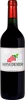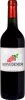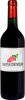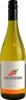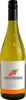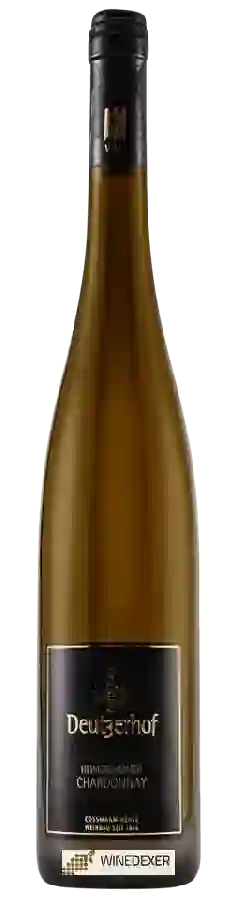
Winery DeutzerhofHeimersheimer Chardonnay
 White wine


In the mouth this white wine is a with a nice freshness.
This wine generally goes well with pork, vegetarian or poultry.

Taste structure of the Heimersheimer Chardonnay from the Winery Deutzerhof
Light | Bold | |
Dry | Sweet | |
Soft | Acidic |
In the mouth the Heimersheimer Chardonnay of Winery Deutzerhof in the region of Ahr is a with a nice freshness.
Wine flavors and olphactive analysis



On the nose the Heimersheimer Chardonnay of Winery Deutzerhof in the region of Ahr often reveals types of flavors of microbio, oak or citrus fruit.
Food and wine pairings with Heimersheimer Chardonnay
Pairings that work perfectly with Heimersheimer Chardonnay



Original food and wine pairings with Heimersheimer Chardonnay

The Heimersheimer Chardonnay of Winery Deutzerhof matches generally quite well with dishes of pork, rich fish (salmon, tuna etc) or vegetarian such as recipes of pork stew with bacon and cream, salmon and goat cheese quiche or quiche without pastry.
Details and technical informations about Winery Deutzerhof's Heimersheimer Chardonnay.
Discover the grape variety: Chardonnay
Whites with many faces: mineral and taut at Chablis (lemon, green apple, flint), opulent and buttery at Meursault and Puligny-Montrachet (hazelnut, brioche, yellow fruits), tense and chalky in Champagne (Blanc de Blancs). Also vinified sparkling and widely exported (Sonoma, Margaret River, Casablanca). A Burgundian variety, a cross of Pinot Noir × Gouais Blanc, half-sibling of Aligoté.
Last vintages of this wine
The best vintages of Heimersheimer Chardonnay from Winery Deutzerhof are 2018, 0
Informations about the Winery Deutzerhof
The Winery Deutzerhof is one of of the world's greatest estates. It offers 52 wines for sale in the of Ahr to come and discover on site or to buy online.

The wine region of Ahr
Small German valley south of Bonn, the country's largest contiguous single red-grape zone. Signature Spatburgunder (Pinot Noir) (>60%): elegant, structured reds with signature notes of cherry, raspberry, wild strawberry, undergrowth and sweet spice, silky tannins and taut freshness — Burgundian style in an improbable climate. Also early Fruhburgunder, fleshier. ~560 ha on steep slopes over schist and slate, sheltered temperate microclimate.
The word of the wine: Biodynamic (agriculture)
Organic agriculture is part of a vision of the world linking the plant and all living beings to the cosmos and basing work in the vineyard and the cellar on the cycles of the moon.