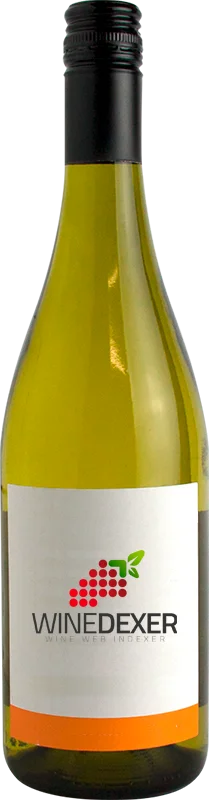
Winery CruseBarsac
 Sweet wine
This wine generally goes well with fruity desserts and blue cheese.
Food and wine pairings with Barsac
Pairings that work perfectly with Barsac

Original food and wine pairings with Barsac
The Barsac of Winery Cruse matches generally quite well with dishes of fruity desserts or blue cheese such as recipes of the coughing cat's apple crumble or apple and gorgonzola cake au gratin.
Details and technical informations about Winery Cruse's Barsac.
Discover the grape variety: Verdicchio blanc
This grape variety was known for a long time in the central region of Italy and is now cultivated in almost all the wine-producing regions of this country. Under the name of peverella, it can still be found in Brazil, where it has occupied large areas for a long time. In France, it is almost unknown. It would seem that it has many relatives, in particular with varieties of Italian origin, known or little known, without us being able to quote them with certainty because the doubt still remains, to be followed! The pink verdicchio exists but is not related to any of them.
Informations about the Winery Cruse
The Winery Cruse is one of of the world's great estates. It offers 89 wines for sale in the of Barsac to come and discover on site or to buy online.

The wine region of Barsac
The wine region of Barsac is located in the region of Sauternes of Bordeaux of France. Wineries and vineyards like the Château Climens or the Château Nairac produce mainly wines sweet, red and white. The most planted grape varieties in the region of Barsac are Muscadelle, Cabernet franc and Cabernet-Sauvignon, they are then used in wines in blends or as a single variety. On the nose of Barsac often reveals types of flavors of butterscotch, brown sugar or papaya and sometimes also flavors of toasted almonds, guava or jasmine.
The wine region of Bordeaux
Bordeaux, in southwestern France, is one of the most famous, prestigious and prolific wine regions in the world. The majority of Bordeaux wines (nearly 90% of the production Volume) are the Dry, medium and Full-bodied red Bordeaux blends for which it is famous. The finest (and most expensive) are the wines of the great châteaux of Haut-Médoc and the right bank appellations of Saint-Émilion and Pomerol. The former focuses (at the highest level) on Cabernet Sauvignon, the latter on Merlot.
The word of the wine: Douçâtre
Soft wine with a dominant sweetness at the expense of freshness.