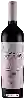
Winery Herdade da ComportaChão das Rolas Tinto
 Red wine


In the mouth this red wine is a powerful.
This wine generally goes well with poultry, beef or veal.
Taste structure of the Chão das Rolas Tinto from the Winery Herdade da Comporta
Light | Bold | |
Smooth | Tannic | |
Dry | Sweet | |
Soft | Acidic |
In the mouth the Chão das Rolas Tinto of Winery Herdade da Comporta in the region of Península de Setúbal is a powerful.
Wine flavors and olphactive analysis



On the nose the Chão das Rolas Tinto of Winery Herdade da Comporta in the region of Península de Setúbal often reveals types of flavors of oak, spices or red fruit and sometimes also flavors of black fruit.
Food and wine pairings with Chão das Rolas Tinto
Pairings that work perfectly with Chão das Rolas Tinto



Original food and wine pairings with Chão das Rolas Tinto

The Chão das Rolas Tinto of Winery Herdade da Comporta matches generally quite well with dishes of beef, pasta or veal such as recipes of salmon with cream sauce, fettuccine with cream and cheese or turkey ballotine.
Details and technical informations about Winery Herdade da Comporta's Chão das Rolas Tinto.
Discover the grape variety: Muscadelle
Muscadelle white is a grape variety that originated in France (Bergerac). It produces a variety of grape specially used for wine making. It is rare to find this grape to eat on our tables. This variety of grape is characterized by bunches of medium size, and grapes of medium caliber. Muscadelle white can be found in several vineyards: South-West, Cognac, Bordeaux, Armagnac, Provence & Corsica, Rhone valley, Loire valley, Savoie & Bugey, Beaujolais, Languedoc & Roussillon.
Last vintages of this wine

The best vintages of Chão das Rolas Tinto from Winery Herdade da Comporta are 2016, 2015, 2014, 0 and 2013.
Informations about the Winery Herdade da Comporta
The Winery Herdade da Comporta is one of of the world's great estates. It offers 25 wines for sale in the of Península de Setúbal to come and discover on site or to buy online.

The wine region of Península de Setúbal
Setúbal Peninsula (also known as Península de Setúbal) is the Portuguese wine region immediately southeast of Lisbon, across the Tejo estuary. The Terroir in the area ranges from sandy coastal plains to the craggy, limestone-rich Serra Arribida hills. The area is known for its Dry red wines made from Castelão, and for its fortified wines and Sweet Moscatel de Setúbal. The wines produced here are made under three titles: two DOCs, Palmela and Setúbal, and one IGP.
The word of the wine: Bacchus
Roman god of the vine and wine, often evoked to qualify everything that concerns the world of wine, and in particular its consumption. His name gave the adjective "bachique" which suggests the idea of celebration and conviviality.