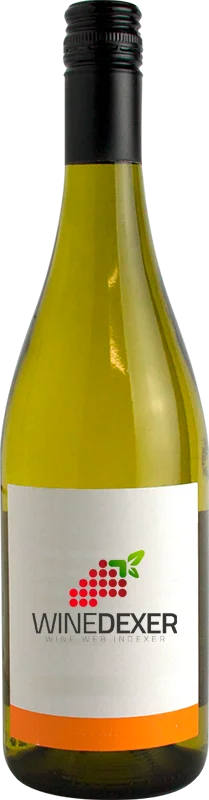
Winery Herdade da ComportaBranco
 White wine



In the mouth this white wine is a .
This wine generally goes well with pork, lean fish or shellfish.

Taste structure of the Branco from the Winery Herdade da Comporta
Light | Bold | |
Dry | Sweet | |
Soft | Acidic |
In the mouth the Branco of Winery Herdade da Comporta in the region of Península de Setúbal is a .
Food and wine pairings with Branco
Pairings that work perfectly with Branco



Original food and wine pairings with Branco

The Branco of Winery Herdade da Comporta matches generally quite well with dishes of pasta, pork or shellfish such as recipes of spaghetti with tuna (real italian recipe), croque-monsieur or spanish seafood paella.
Details and technical informations about Winery Herdade da Comporta's Branco.
Discover the grape variety: Frappato
Light, elegant reds with a clear ruby colour and violet hints, soft tannins and a fresh palate, showing signature aromas of red fruits (cherry, strawberry, raspberry), flowers (violet, rose), soft spices and Mediterranean herbal notes. An airy style to drink young or with short ageing. Star of Cerasuolo di Vittoria DOCG in blends with Nero d'Avola, also made as a single variety. Indigenous Italian variety from south-eastern Sicily (Ragusa province).
Last vintages of this wine
The best vintages of Branco from Winery Herdade da Comporta are 0, 2019
Informations about the Winery Herdade da Comporta
The Winery Herdade da Comporta is one of of the world's great estates. It offers 25 wines for sale in the of Península de Setúbal to come and discover on site or to buy online.

The wine region of Península de Setúbal
Portuguese peninsula south of Lisbon between the Tagus and Sado estuaries. World-renowned speciality: Moscatel de Setúbal, a golden fortified sweet wine with signature notes of candied orange, dried apricot, honey, fig, currant and sweet spices, long ageing — the rare Roxo version has more floral notes. Also fruity, supple Castelão reds (64%) (blackberry, plum), perfumed Touriga Nacional. Oceanic climate.
The word of the wine: Malolactic fermentation
Called second fermentation or malo for short. It is the degradation (under the effect of bacteria) of the malic acid naturally present in the wine into milder, less aggressive lactic acid. Some producers or wineries refuse this operation by "blocking the malo" (by cold and adding SO2) to keep a maximum of acidity which carries the aromas and accentuates the sensation of freshness.


