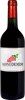
Clos SorianGrés de Montpellier
 Red wine


In the mouth this red wine is a powerful with a nice balance between acidity and tannins.
This wine generally goes well with beef, veal or pasta.

Taste structure of the Grés de Montpellier from the Clos Sorian
Light | Bold | |
Smooth | Tannic | |
Dry | Sweet | |
Soft | Acidic |
In the mouth the Grés de Montpellier of Clos Sorian in the region of Languedoc-Roussillon is a powerful with a nice balance between acidity and tannins.
Food and wine pairings with Grés de Montpellier
Pairings that work perfectly with Grés de Montpellier



Original food and wine pairings with Grés de Montpellier
The Grés de Montpellier of Clos Sorian matches generally quite well with dishes of beef, pasta or veal such as recipes of roast beef with caramelized onion, pasta with mussels or osso bucco milanese.
Details and technical informations about Clos Sorian's Grés de Montpellier.
Discover the grape variety: Petit Bouschet
Intensely colored and supple reds with a deep, near-opaque purple robe, light tannins and a dense palate, showing signature aromas of black fruits (blackberry, blackcurrant), plum, spices and vinous notes. Powerful dye-grape profile with red-fleshed pulp. Formerly planted en masse in the South of France to intensify the color of Mediterranean blends. French black teinturier grape obtained in 1824 by Louis Bouschet, aramon × teinturier du Cher, parent of Alicante Bouschet.
Last vintages of this wine

The best vintages of Grés de Montpellier from Clos Sorian are 2008, 2010, 2011
Informations about the Clos Sorian
The Clos Sorian is one of of the world's greatest estates. It offers 14 wines for sale in the of Languedoc to come and discover on site or to buy online.

The wine region of Languedoc
Sunny, generous southern reds: spicy, peppery Syrah, round, candied Grenache (ripe fruit, garrigue), deep Mourvèdre, structured Carignan, supple Cinsault. From robust Corbières and Minervois to fresher Terrasses du Larzac, via Faugères on schist or taut Pic Saint-Loup. Lively, iodised Picpoul de Pinet whites (oysters), ample Roussanne and Marsanne. 14 sub-appellations, ~10,000 ha in regional AOC.
The wine region of Languedoc-Roussillon
Largest single French vineyard, dominated by sunny, generous reds. Spicy Syrah, candied Grenache (ripe fruit, garrigue), structured Carignan, deep Mourvèdre, supple Cinsault. Stars: structured Corbières, Minervois, Faugères, Saint-Chinian; round Côtes-du-Roussillon. Legendary vins doux naturels: Banyuls and Maury (fortified Grenache) with notes of cocoa, fig, prune.
The word of the wine: New
Said of a wine from the last harvest, and more particularly of an early wine.