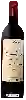
Winery Claude GuibbertCuvée Monastere San Fabeo Vieilles Vignes
 Red wine
In the mouth this red wine is a powerful with a nice balance between acidity and tannins.
This wine generally goes well with beef, veal or pasta.

Taste structure of the Cuvée Monastere San Fabeo Vieilles Vignes from the Winery Claude Guibbert
Light | Bold | |
Smooth | Tannic | |
Dry | Sweet | |
Soft | Acidic |
In the mouth the Cuvée Monastere San Fabeo Vieilles Vignes of Winery Claude Guibbert in the region of Pays d'Oc is a powerful with a nice balance between acidity and tannins.
Food and wine pairings with Cuvée Monastere San Fabeo Vieilles Vignes
Pairings that work perfectly with Cuvée Monastere San Fabeo Vieilles Vignes



Original food and wine pairings with Cuvée Monastere San Fabeo Vieilles Vignes
The Cuvée Monastere San Fabeo Vieilles Vignes of Winery Claude Guibbert matches generally quite well with dishes of beef, pasta or veal such as recipes of braciola (southern italy), pasta with alfredo sauce or stuffed cutlets.
Details and technical informations about Winery Claude Guibbert's Cuvée Monastere San Fabeo Vieilles Vignes.
Discover the grape variety: Gravesina
Simple, fresh dry grey-whites with a pale pink robe with copper skin, a supple palate with moderate acidity on undemonstrative citrus and white flower aromas. Discreet rustic profile. Preserved in a few ampelographic collections, it belongs to the ancient varieties with patrimonial value whose commercial diffusion has virtually disappeared and which are studied for their genetic interest. Rare and poorly documented grey variety, grown in confidential quantities.
Informations about the Winery Claude Guibbert
The Winery Claude Guibbert is one of of the world's greatest estates. It offers 3 wines for sale in the of Aude to come and discover on site or to buy online.

The wine region of Aude
Vast Languedoc IGP covering the entire department: signature Syrah and Grenache as king reds — fruity and sun-drenched with cherry, blackberry, raspberry, garrigue, Mediterranean spices and a peppery touch, supple tannins. Carignan, Mourvèdre, Merlot and Cabernet as backup. Fresh, aromatic whites from Chardonnay, Viognier, Sauvignon and Muscat (citrus, exotic fruits, flowers). Tender rosés.
The wine region of Pays d'Oc
The single-grape IGP par excellence: modern, accessible, frank and fruity wines, the popular signature of the Midi. Spicy Syrah reds (pepper, blackberry), round Merlot, structured Cabernet, generous Grenache, supple Cinsault. Crisp, tangy rosés. Opulent Chardonnay whites, lively Sauvignon, floral, apricoty Viognier.
The word of the wine: Fleshed out
A full-bodied, tasty and fleshy wine, with velvety and smooth tannins.