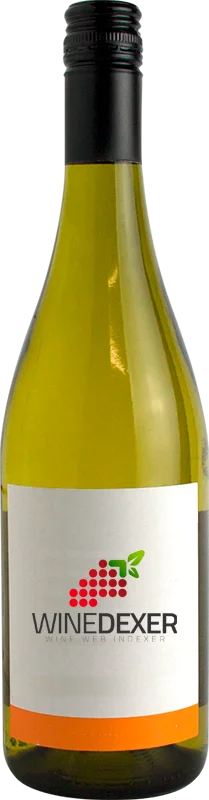
Winery Siebe DupfSissacher Riesling - Sylvaner
 White wine


This wine is a blend of 2 varietals which are the Riesling and the Sylvaner.
This wine generally goes well with pork, vegetarian or poultry.

Food and wine pairings with Sissacher Riesling - Sylvaner
Pairings that work perfectly with Sissacher Riesling - Sylvaner



Original food and wine pairings with Sissacher Riesling - Sylvaner



The Sissacher Riesling - Sylvaner of Winery Siebe Dupf matches generally quite well with dishes of pork, rich fish (salmon, tuna etc) or spicy food such as recipes of summer orecchiette, brandade of cod from nimes or keftas tajine with eggs.
Details and technical informations about Winery Siebe Dupf's Sissacher Riesling - Sylvaner.
Discover the grape variety: Riesling
Crystalline, taut whites with vibrant acidity and aromas of citrus, green apple, white flowers, vineyard peach and mineral/petrol notes with age. Made as dry (Trocken, Alsace), off-dry (Kabinett, Spätlese) and sweet (Auslese, Beerenauslese, Trockenbeerenauslese, late harvest). Star of the Moselle, Rheingau, Alsace AOC and Wachau. Also exported to Clare Valley and Finger Lakes.
Last vintages of this wine
The best vintages of Sissacher Riesling - Sylvaner from Winery Siebe Dupf are 0
Informations about the Winery Siebe Dupf
The Winery Siebe Dupf is one of of the world's great estates. It offers 57 wines for sale in the of Eastern Switzerland to come and discover on site or to buy online.

The wine region of Eastern Switzerland
German-speaking Switzerland (Ostschweiz) grouping Aargau, Zurich, Schaffhausen, Thurgau, St. Gallen and Graubünden. Pinot Noir (Blauburgunder) signature red king (~70%): fine and silky with notes of red cherry, raspberry, undergrowth, dried flowers and spice, fine tannins and elegant palate — the Bündner Herrschaft (Graubünden) produces Switzerland's finest Pinots. Supple Müller-Thurgau, floral Riesling-Sylvaner, ample Chardonnay.
The word of the wine: Dryer
Term that characterizes a hard and tannic wine.