The Cave de Saint-Pierre of Bordeaux
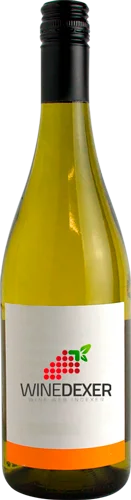
Cave de Saint-Pierre
The winery offers 8 different wines
3.7


Note - 1Note - 1Note - 1Note - 0.5Note - 0
Its wines get an average rating of 3.7.
It is currently not ranked among the best domains of Bordeaux.
It is located in Bordeaux

The Cave de Saint-Pierre is one of the best wineries to follow in Bordeaux.. It offers 8 wines for sale in of Bordeaux to come and discover on site or to buy online.
Top Cave de Saint-Pierre wines

Looking for the best Cave de Saint-Pierre wines in Bordeaux among all the wines in the region? Check out our tops of the best red, white or effervescent Cave de Saint-Pierre wines. Also find some food and wine pairings that may be suitable with the wines from this area. Learn more about the region and the Cave de Saint-Pierre wines with technical and enological descriptions.

The top white wines of Cave de Saint-Pierre

Food and wine pairings with a white wine of Cave de Saint-Pierre

How Cave de Saint-Pierre wines pair with each other generally quite well with dishes of pork, vegetarian or poultry such as recipes of pasta "carbonara" à la française, zucchini and goat cheese quiche or ham and cheese cake.

The grape varieties most used in the white wines of Cave de Saint-Pierre.

  • Sémillon
  • Sauvignon Blanc

Discovering the wine region of Bordeaux

Bordeaux, in southwestern France, is one of the most famous, prestigious and prolific wine regions in the world. The majority of Bordeaux wines (nearly 90% of the production Volume) are the Dry, medium and Full-bodied red Bordeaux blends for which it is famous. The finest (and most expensive) are the wines of the great châteaux of Haut-Médoc and the right bank appellations of Saint-Émilion and Pomerol. The former focuses (at the highest level) on Cabernet Sauvignon, the latter on Merlot.

The legendary reds are complemented by high-quality white wines made from Semillon and Sauvignon Blanc. These range from dry whites that challenge the best of Burgundy (Pessac-Léognan is particularly renowned) to the Sweet, botrytised nectars of Sauternes. Although Bordeaux is most famous for its wines produced in specific districts or communes, many of its wines fall under other, broader appellations. These include AOC Bordeaux, Bordeaux Supérieur and Crémant de Bordeaux.

The Bordeaux Red appellation represents more than a third of the total production. The official Bordeaux wine region extends 130 kilometres inland from the Atlantic coast. 111,000 hectares of vineyards were registered in 2018, a figure that has remained largely constant over the previous decade. However, the number of winegrowers has consolidated; in 2018 there were around 6,000, compared to 9,000 a decade earlier.

The top sweet wines of Cave de Saint-Pierre

Food and wine pairings with a sweet wine of Cave de Saint-Pierre

How Cave de Saint-Pierre wines pair with each other generally quite well with dishes of fruity desserts, blue cheese or rich fish (salmon, tuna etc) such as recipes of tarte tatin, pear, roquefort and walnut tart or tartiflette with smoked salmon.

The grape varieties most used in the sweet wines of Cave de Saint-Pierre.

  • Sauvignon Blanc
  • Sémillon
  • Muscadelle

Discover the grape variety: Merlot

Merlot noir is a grape variety that originated in France (Bordeaux). It produces a variety of grape specially used for wine making. It is rare to find this grape to eat on our tables. This variety of grape is characterized by small to medium sized bunches, and medium sized grapes. Merlot noir can be found in many vineyards: South West, Languedoc & Roussillon, Cognac, Bordeaux, Loire Valley, Armagnac, Burgundy, Jura, Champagne, Rhone Valley, Beaujolais, Provence & Corsica, Savoie & Bugey.

The top red wines of Cave de Saint-Pierre

Food and wine pairings with a red wine of Cave de Saint-Pierre

How Cave de Saint-Pierre wines pair with each other generally quite well with dishes of beef, veal or game (deer, venison) such as recipes of scottish haggis, lisbon veal sauté or rabbit with goat cheese and mint.

The grape varieties most used in the red wines of Cave de Saint-Pierre.

  • Cabernet Sauvignon
  • Cabernet Franc
  • Merlot

The word of the wine: Oenophile

A person who is interested in the world of wine and more particularly in wine tasting.

The top pink wines of Cave de Saint-Pierre

Food and wine pairings with a pink wine of Cave de Saint-Pierre

How Cave de Saint-Pierre wines pair with each other generally quite well with dishes of beef, pork or game (deer, venison) such as recipes of provencal stew, magic cake cheese quiche or veal head with vinaigrette.

The grape varieties most used in the pink wines of Cave de Saint-Pierre.

  • Cabernet Franc

Discover the grape variety: Sémillon

Sémillon blanc is a grape variety that originated in France (Bordeaux). It produces a variety of grape specially used for wine making. It is rare to find this grape to eat on our tables. Note that this grape variety can also be used for the elaboration of eaux de vie. This variety of vine is characterized by large bunches of grapes, and grapes of large size. Sémillon Blanc can be found in several vineyards: South-West, Languedoc & Roussillon, Cognac, Bordeaux, Armagnac, Provence & Corsica, Loire Valley, Rhone Valley, Savoie & Bugey, Beaujolais.

Discover other wineries and winemakers neighboring the Cave de Saint-Pierre

Planning a wine route in the of Bordeaux? Here are the wineries to visit and the winemakers to meet during your trip in search of wines similar to Cave de Saint-Pierre.

Discover the grape variety: Cabernet franc

Cabernet Franc is one of the oldest red grape varieties in Bordeaux. The Libourne region is its terroir where it develops best. The terroirs of Saint-Emilion and Fronsac allow it to mature and develop its best range of aromas. It is also the majority in many blends. The very famous Château Cheval Blanc, for example, uses 60% Cabernet Franc. The wines produced with Cabernet Franc are medium in colour with fine tannins and subtle aromas of small red fruits and spices. When blended with Merlot and Cabernet Sauvignon, it brings complexity and a bouquet of aromas to the wine. It produces fruity wines that can be drunk quite quickly, but whose great vintages can be kept for a long time. It is an earlier grape variety than Cabernet Sauvignon, which means that it is planted as far north as the Loire Valley. In Anjou, it is also used to make sweet rosé wines. Cabernet Franc is now used in some twenty countries in Europe and throughout the world.