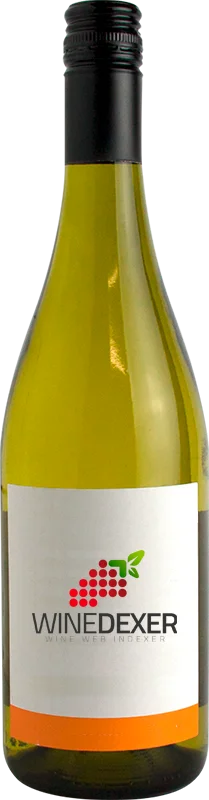
Winery Castello di NeiveLanghe Arneis
 White wine



In the mouth this white wine is a powerful with a nice freshness.
This wine generally goes well with lean fish, shellfish or mature and hard cheese.

Taste structure of the Langhe Arneis from the Winery Castello di Neive
Light | Bold | |
Dry | Sweet | |
Soft | Acidic |
In the mouth the Langhe Arneis of Winery Castello di Neive in the region of Piedmont is a powerful with a nice freshness.
Food and wine pairings with Langhe Arneis
Pairings that work perfectly with Langhe Arneis



Original food and wine pairings with Langhe Arneis


The Langhe Arneis of Winery Castello di Neive matches generally quite well with dishes of pasta, shellfish or mature and hard cheese such as recipes of basque lasagne, cuttlefish rust or cheese cromesquis.
Details and technical informations about Winery Castello di Neive's Langhe Arneis.
Discover the grape variety: Moristel
Supple, fruity reds best drunk young, with a sustained ruby robe, silky tannins and an airy palate with fresh acidity, showing signature aromas of fresh red fruits (cherry, raspberry), soft spices and floral notes. Accessible profile. Often blended with Tempranillo and Garnacha, adding freshness to the reds of Somontano in northern Aragon. Spanish black grape grown in Aragon, mainly in the Somontano DO.
Last vintages of this wine
The best vintages of Langhe Arneis from Winery Castello di Neive are 2017, 2012, 2014, 0 and 2016.
Informations about the Winery Castello di Neive
The Winery Castello di Neive is one of of the world's great estates. It offers 27 wines for sale in the of Langhe to come and discover on site or to buy online.

The wine region of Langhe
Italy's wine-and-food capital, UNESCO terroir of Piedmont. Heart of Nebbiolo: Barolo DOCG, "king of wines", and Barbaresco DOCG, age-worthy reds with firm tannins, vivid acidity and complex aromas of withered rose, morello cherry, tar, white truffle and undergrowth. More accessible Langhe DOC (Nebbiolo, crunchy Dolcetto, Freisa). Round almondy Arneis whites from Roero.
The wine region of Piedmont
Kingdom of Nebbiolo: Barolo and Barbaresco DOCG, long-ageing reds with firm tannins and lively acidity, complex aromas of withered rose, sour cherry, tar, truffle and undergrowth. More accessible, tangy Barbera on red fruit, supple, crisp Dolcetto. Sweet, floral sparkling Moscato d'Asti, mineral, lemony Gavi (Cortese) white, round, almondy Arneis from Roero. 50,000 ha across the Langhe, Roero and Monferrato, UNESCO.
The word of the wine: Complex
Said of a rich and concentrated wine offering a wide range of aromas and a tasty mouthfeel.