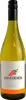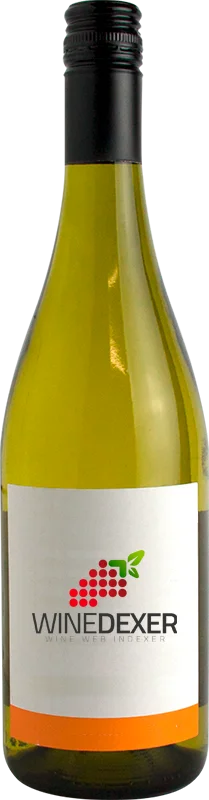
Winery Castelli del DucaObello Bianco
 White wine



In the mouth this white wine is a with a nice freshness.
This wine generally goes well with vegetarian, appetizers and snacks or lean fish.

Taste structure of the Obello Bianco from the Winery Castelli del Duca
Light | Bold | |
Dry | Sweet | |
Soft | Acidic |
In the mouth the Obello Bianco of Winery Castelli del Duca in the region of Emilia-Romagna is a with a nice freshness.
Food and wine pairings with Obello Bianco
Pairings that work perfectly with Obello Bianco



Original food and wine pairings with Obello Bianco


The Obello Bianco of Winery Castelli del Duca matches generally quite well with dishes of pasta, vegetarian or appetizers and snacks such as recipes of pad thai, summer tuna quiche or bruschetta with mozzarella.
Details and technical informations about Winery Castelli del Duca's Obello Bianco.
Discover the grape variety: Petite Arvine
Structured, aromatic dry and sweet whites with a pale golden color, ample palate and preserved acidity, with signature aromas of citrus (grapefruit), rhubarb, white flowers (wisteria), exotic fruits (passion fruit) and characteristic saline notes on the finish. Fine cellaring potential, dry and late-harvest styles. Star of great Valais whites (Vétroz, Sion, Fully, Chamoson). Swiss indigenous variety from the Valais.
Last vintages of this wine
The best vintages of Obello Bianco from Winery Castelli del Duca are 2015, 0
Informations about the Winery Castelli del Duca
The Winery Castelli del Duca is one of of the world's great estates. It offers 24 wines for sale in the of Emilia-Romagna to come and discover on site or to buy online.

The wine region of Emilia-Romagna
Kingdom of Lambrusco: fresh, fruity sparkling reds (blackberry, cherry, violet), from gourmet dry to convivial off-dry, perfect with local charcuterie. World's best-selling sparkling wine on the Emilia side (Sorbara, Grasparossa, Salamino). East, Romagna: supple fruity Sangiovese, Albana (Italy's 1st white DOCG, 1987) ample and almondy. Also red Gutturnio and white Pignoletto.
The word of the wine: Merrain
Oak wood split into planks used to make the barrel.