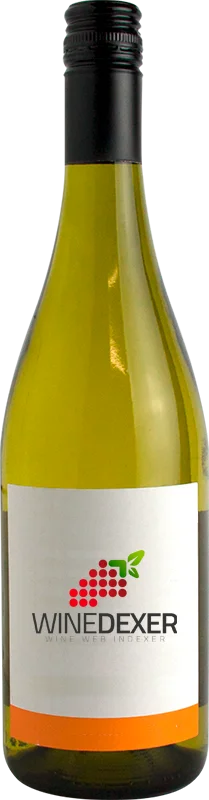
Winery Vino BudimirVera
 White wine


This wine generally goes well with spicy food and sweet desserts.

Wine flavors and olphactive analysis

On the nose the Vera of Winery Vino Budimir in the region of Central Serbia often reveals types of flavors of earth.
Food and wine pairings with Vera
Pairings that work perfectly with Vera


Original food and wine pairings with Vera
The Vera of Winery Vino Budimir matches generally quite well with dishes of spicy food or sweet desserts such as recipes of creole chipolatas or yoghurt cake.
Details and technical informations about Winery Vino Budimir's Vera.
Discover the grape variety: Raboso Veronese
Coloured, structured reds with a deep purple robe, firm tannins and a dense palate with high acidity. Signature aromas of red fruits (cherry, sour cherry), black fruits (blackberry), spices and herbaceous Venetian notes. Sharp profile, drink young or age. Traditional component of DOC red blends in Veneto, present in the provinces of Verona and Treviso. Native Italian black grape of Veneto, unrelated to Raboso Piave despite the shared name.
Last vintages of this wine
The best vintages of Vera from Winery Vino Budimir are 2008, 0
Informations about the Winery Vino Budimir
The Winery Vino Budimir is one of of the world's greatest estates. It offers 16 wines for sale in the of Central Serbia to come and discover on site or to buy online.

The wine region of Central Serbia
Wine heart of Serbia, mosaic vineyards between 200-500 m on the Morava valleys. Signature Prokupac, an autochthonous grape documented since the 14th c. : deep ruby reds with signature notes of red fruits (cherry, raspberry), sweet spices, dried herbs and a peppery touch, balanced tannins and a fresh palate — a Serbian identity. Also dense, fleshy Vranac (blackberry, leather), aromatic Tamjanika (local Muscat).
The word of the wine: Shine
Character of a wine that reflects light with brilliance. The brilliance is enhanced when the wine is decanted.